Trying to choose between River Forest and Oak Park can feel like splitting hairs. Both offer historic charm, respected schools, and quick access to Chicago. Yet they deliver very different day-to-day experiences. In this guide, you will see how prices, housing types, schools, commute options, and neighborhood vibe compare, plus a simple checklist to help you decide what fits best. Let’s dive in.
River Forest vs. Oak Park at a glance
River Forest and Oak Park sit side by side, just west of Chicago. The biggest difference you will feel right away is cost and scale. According to U.S. Census QuickFacts, the median value of owner-occupied homes is higher in River Forest at about $676,900, while Oak Park is about $465,500. These medians reflect the underlying housing stock, not short-term market swings. You can review the data for River Forest and Oak Park on the Census QuickFacts pages.
- River Forest: higher home values, higher owner-occupancy, smaller village size, larger lots in many areas.
- Oak Park: broader price points, more mixed housing types including condos and multi-flats, larger commercial corridors, and more transit choices.
For reference, see the U.S. Census profiles for owner values, commute times, incomes, and population for both River Forest and Oak Park.
Housing, budget and space
Price ranges and value
If you want a larger single-family home and yard, expect to budget more in River Forest. The Census median value for owner-occupied homes shows a clear gap: River Forest near $676,900 and Oak Park around $465,500. These figures align with the villages’ different housing mixes and lot sizes.
Housing mix and lot sizes
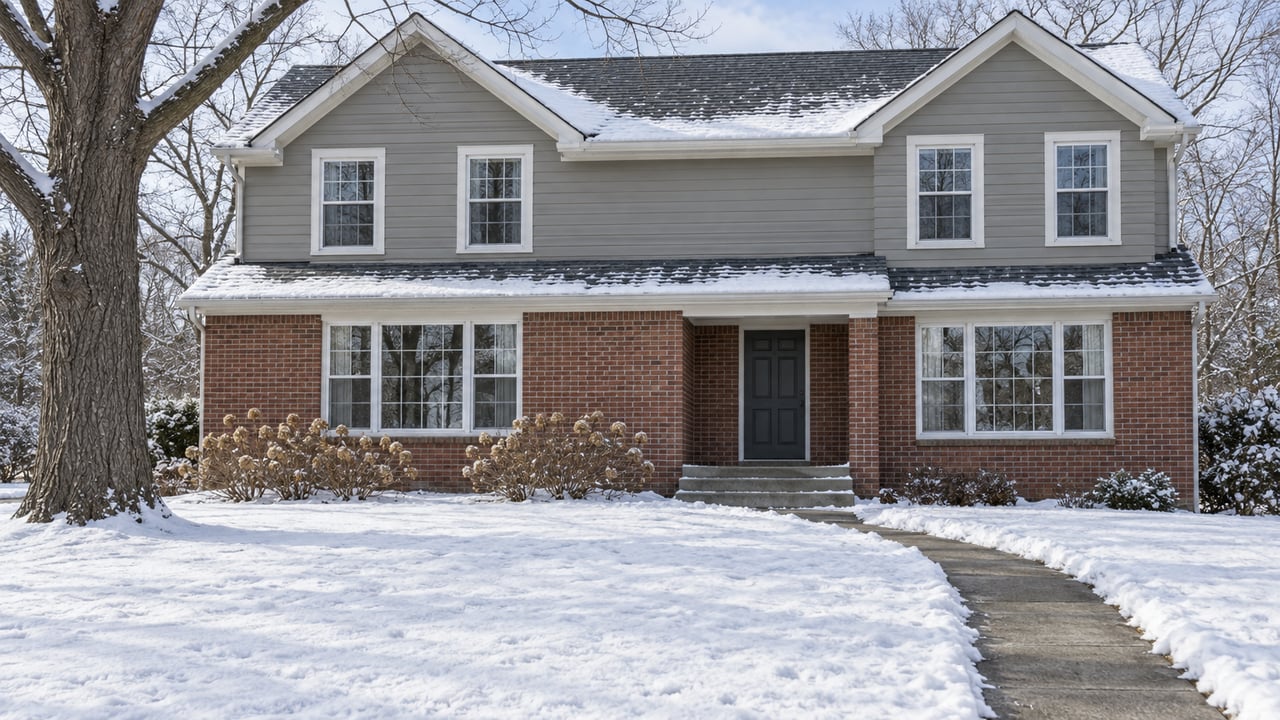
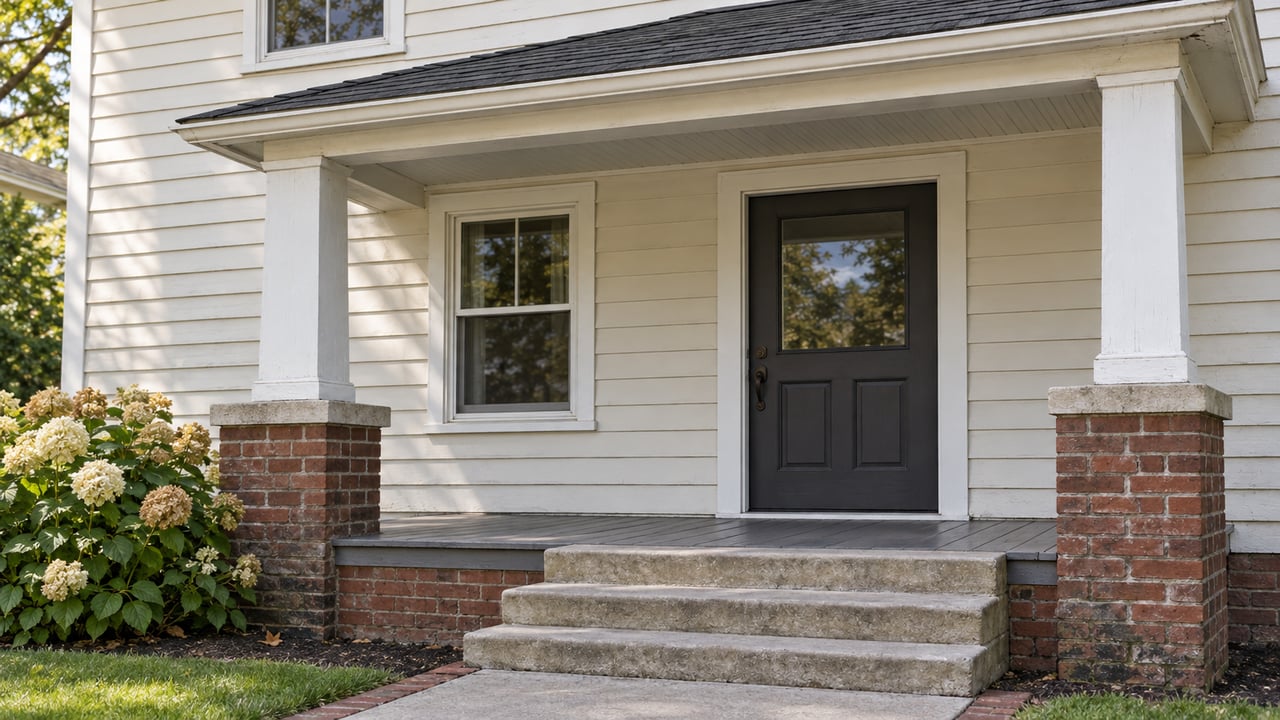
River Forest is predominantly owner-occupied and single-family, with historic homes and architectural standouts. The village also showcases Prairie School and other notable designs, supported by an active historic preservation culture. You can explore the residential character on the Village of River Forest’s historic preservation guide.
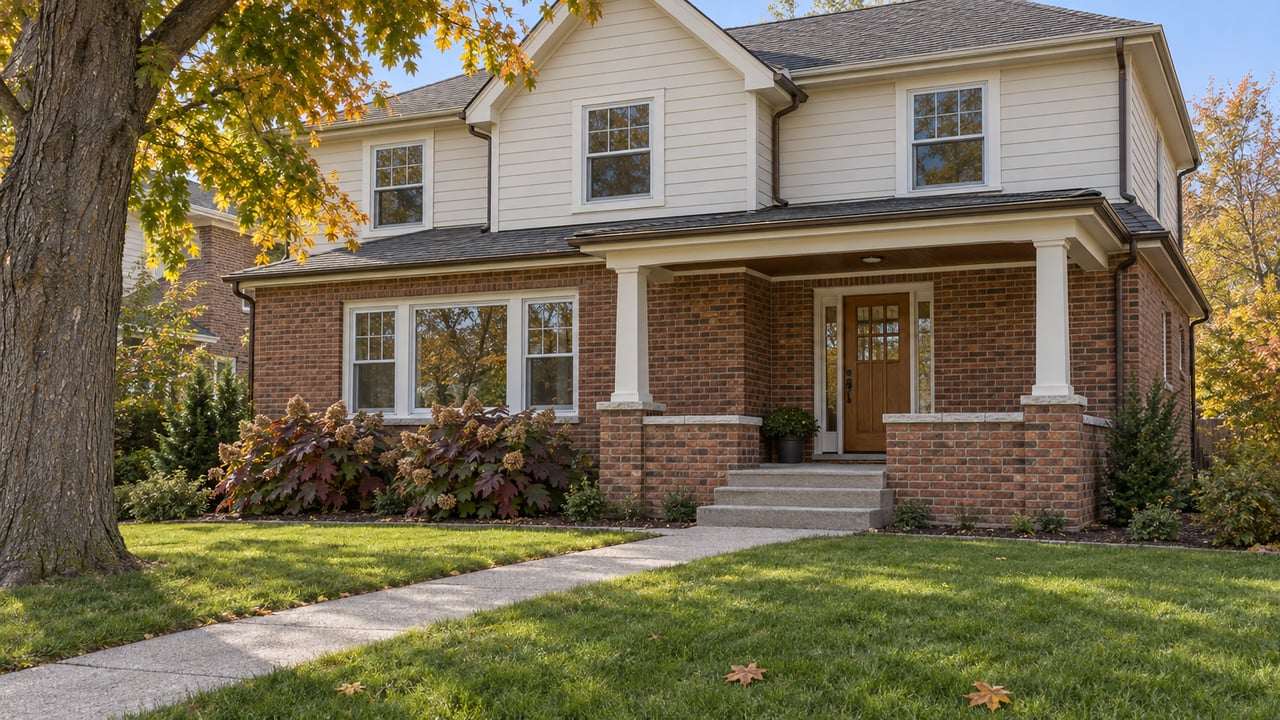
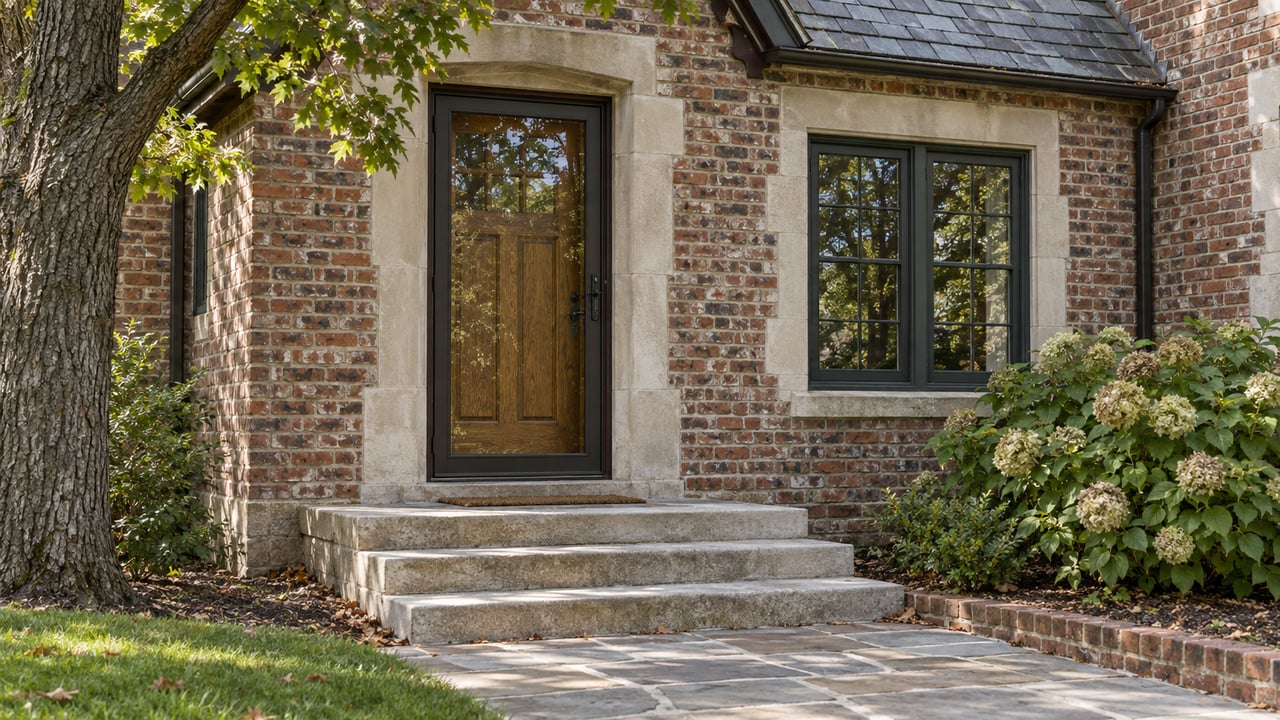
Oak Park has a broader mix. You will find single-family homes, classic bungalows, townhomes, condos, and multi-unit buildings, especially near transit corridors. The village is also a hub for Frank Lloyd Wright’s work and related Prairie School architecture. To get a sense of the cultural and architectural footprint, see the Frank Lloyd Wright Home and Studio.
In general, River Forest offers a better chance at a larger lot or even an estate-scale parcel in select areas, while Oak Park more often delivers modest, lower-maintenance yards with more attached or multifamily options.
Inventory and timing
Because River Forest is smaller and more owner-occupied, you often see fewer active listings at any given time. Oak Park’s larger and more varied housing stock usually gives you more choices and more price tiers. If you are set on a turnkey single-family in River Forest, plan for a longer search or a more flexible budget. If you want to compare several options in a tight time frame, Oak Park tends to offer more immediate selection.
Schools and programs
Districts and boundaries
Most River Forest addresses feed into River Forest Public Schools, District 90, a small K–8 system with three schools. Learn more at the District 90 site. Most Oak Park addresses fall under Oak Park Elementary School District 97, which serves a larger K–8 population with multiple elementary and middle schools. Program details and boundary information are posted at District 97. Always confirm the attendance boundary for the specific block you are considering.
Families often look at third-party school-rating websites to compare test results and program summaries. If you plan to use them as one input, you can browse Oak Park listings on GreatSchools and then follow up with districts for the most current details.
High school path
Both villages share Oak Park and River Forest High School, District 200. For enrollment and registrar information, visit the OPRF High School site. This shared high school often makes the K–8 experience the key difference when families choose between the two villages.
Private and enrichment options
Popular private choices include Fenwick High School in Oak Park. You can learn more on the Fenwick High School site. River Forest also benefits from nearby colleges like Dominican University, which contribute to local culture and adult-education opportunities. See Dominican University for campus information.
Commute and everyday access
Train and transit choices
Both villages offer commuter-friendly access to Chicago, with mean travel times near 31 minutes according to the Census. The difference you may feel is transit frequency and mode. Oak Park has the CTA Green Line terminus at Harlem/Lake, Metra stations, and multiple Pace routes, which supports a robust transit-first lifestyle. Explore the village’s transit overview and business district context at oak-park.us.
River Forest has its own Metra Union Pacific West station with service to downtown. Schedules vary, and many commuters also connect to Oak Park’s CTA options. You can review the River Forest station on Metra’s site.
Driving and distance
Both villages sit just west of the city, with quick access to I-290 and typical driving distances of roughly 8 to 12 miles to the Loop, depending on your route. Oak Park’s multiple rail options can reduce your need to drive daily. River Forest remains convenient by car and train, with a quieter in-village transit footprint.
Lifestyle, architecture and amenities
If you want a denser cultural scene with frequent events, a wide restaurant mix, and more retail corridors, Oak Park often fits the bill. The village is a center for Prairie School architecture and the arts, anchored by the Frank Lloyd Wright Home and Studio and a busy civic calendar. You can find village programs, parks, and services at oak-park.us.
If you value a quieter, more residential setting with a strong historic identity, River Forest leans that way. Streets are largely residential and many homes sit on larger lots. The village highlights preservation and architecture, detailed in its historic preservation guide. By Census figures, River Forest also has a higher median household income than Oak Park, which helps explain differences in housing stock and overall scale. See income and population snapshots on Census QuickFacts for River Forest and Oak Park.
A simple decision checklist
Use this quick checklist to align your priorities with each village’s strengths:
Budget fit
- Need a wider range of price points or entry options like condos and townhomes? Oak Park usually offers more tiers.
- Focused on larger single-family homes and willing to budget higher for space? River Forest may align better.
Lot size and outdoor space
- Seeking a larger yard, room for an addition, or estate-scale feel? River Forest increases your odds.
- Prefer a modest yard or lower-maintenance lot with more urban conveniences? Oak Park provides many choices.
K–8 school scale
- Want a small, locally focused K–8 district? Explore River Forest’s District 90.
- Want a larger K–8 system with multiple schools and program variety? Review Oak Park’s District 97. Always confirm attendance zones.
Commute style
- Rely on frequent rapid transit with multiple rail choices? Oak Park’s CTA and Metra access can shorten wait times.
- Comfortable with Metra schedules and driving access to the city? River Forest remains commuter-friendly.
Weekend vibe
- Enjoy busier commercial corridors, dining variety, and frequent events? Oak Park often feels more active.
- Prefer quieter, residential streets and a strong architectural identity? River Forest is a fit to consider.
How I help you choose
The right answer is the one that fits your daily life. I help you test-drive both villages through targeted tours, side-by-side comps, commute mapping, and a school-boundary check for each short-listed block. With deep local roots in Oak Park and full-service reach across the western suburbs, you get calm, expert guidance and polished market strategy from search to close.
Ready to compare homes, neighborhoods, and timelines with a trusted local advisor? Connect with Ed Bellock to get started.
FAQs
How do home prices compare between River Forest and Oak Park?
- Census medians for owner-occupied homes are higher in River Forest (about $676,900) than Oak Park (about $465,500), reflecting different housing stock and lot patterns.
What is the average commute time from these suburbs to downtown Chicago?
- U.S. Census data shows mean travel times near 31 minutes for both villages, with mode and timing impacting your actual day-to-day experience.
Which public school districts serve each village for K–8 and high school?
- River Forest K–8 is District 90; Oak Park K–8 is District 97; both feed Oak Park and River Forest High School, District 200, though you should confirm boundaries for a specific address.
Where will I find more transit options, especially CTA service?
- Oak Park has the CTA Green Line terminus and multiple Metra and Pace routes, which add frequency and flexibility; River Forest has a Metra UP–West station and quick access to Oak Park’s CTA network.
Which village is better if I want a larger yard?
- River Forest more often features larger lots and some estate-scale properties; Oak Park offers many homes with modest, lower-maintenance yards and more attached or multifamily options.
What private or alternative schooling options are nearby?
- Fenwick High School in Oak Park is a well-known private option, and nearby colleges like Dominican University add to local educational resources and community programming.