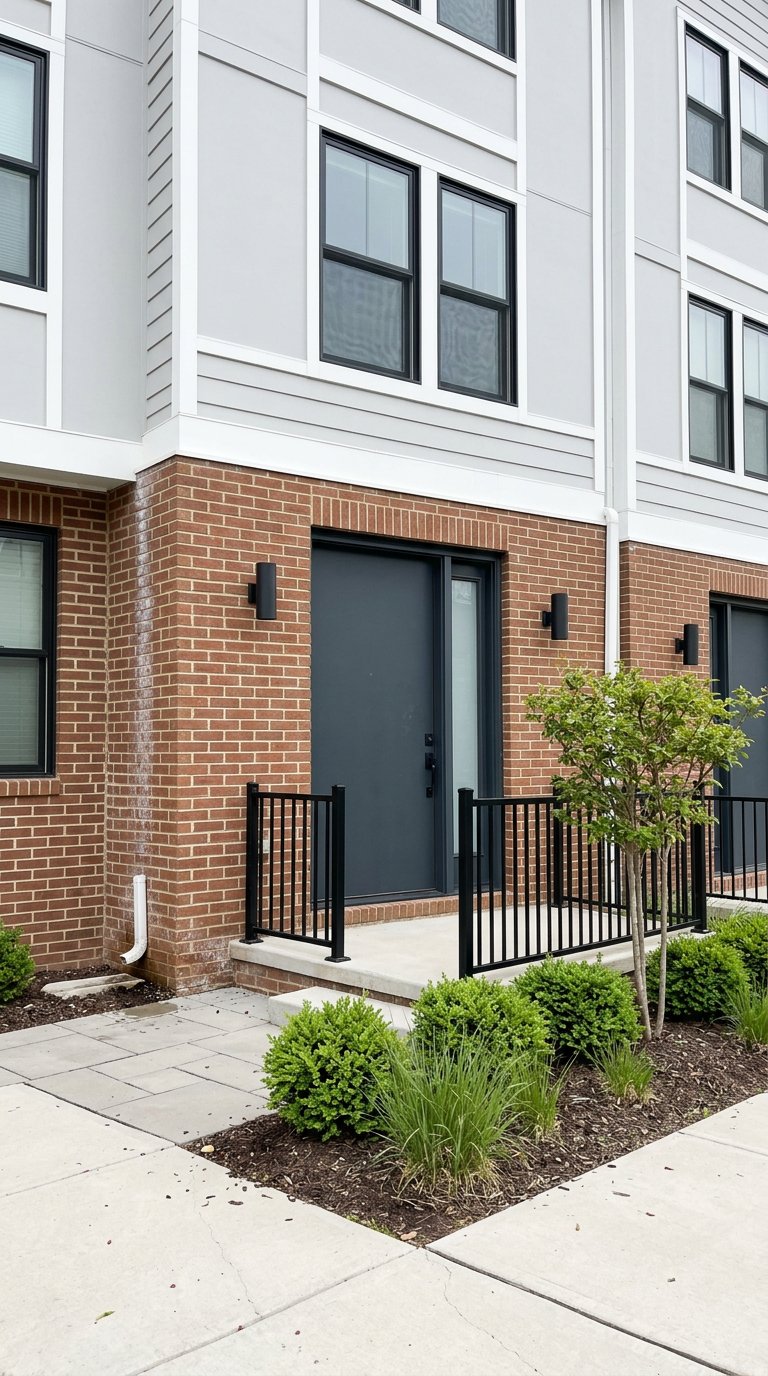
If you want low-maintenance living with solid transit and a true neighborhood feel, Forest Park should be on your short list. You might be buying your first place or downsizing to simplify life. Either way, you want clear steps, local insight, and fewer surprises. In this guide, you’ll learn what Forest Park offers for condos and townhomes, how fees and parking work, what lenders check, and how to move from browsing to closing with confidence. Let’s dive in.
Market snapshot and nearby comparisons
According to Redfin’s February 2026 snapshot, Forest Park’s median sale price sits around $375,000. Oak Park shows roughly $382–383K, and Elmwood Park is near $375K in the same period. These numbers can shift month to month, and small gaps often reflect the mix of single-family versus attached homes sold in a given window.
The takeaway for you: Forest Park trades in a similar band to Elmwood Park and is often just below parts of Oak Park. If you focus on condos and townhomes near transit and downtown corridors, you’ll likely see strong demand and a wide span of prices based on building age, amenities, and parking.
What you’ll find in Forest Park buildings
Older mid-rise and walk-ups
You’ll see 1960s–1970s brick elevator buildings and walk-ups near the village’s core. Many offer assigned surface parking, shared or on-site laundry, and simpler amenities with modest monthly assessments. Floor plans are efficient, and locations near shopping and transit add daily convenience.
Newer mid-rise and townhome communities
Planned developments from the 2000s and newer often include elevators, fitness or community rooms, and garage parking. Monthly dues tend to be higher because they bundle more services, such as heat, water, insurance, and grounds. These buildings draw buyers who want modern systems, elevator access, and easy proximity to the Blue Line and Madison Street.
Small associations and converted buildings
Forest Park also has smaller associations, like two-flats, courtyard buildings, and associations with just a handful of units. Rules, reserves, and parking can vary widely. Small associations may be less formal in management and can have thinner reserves, so your due diligence matters even more. Always confirm whether a place was built as condos or converted later, since conversions can have mixed finishes and unique quirks.
What HOA fees cover and what to review
Monthly dues can vary widely by building age and amenities. In representative Forest Park examples, you might see dues in the range of about $150 to $450 per month, with older buildings on the lower end and newer amenity buildings on the higher end. The exact number depends on what the fee includes, so request the full association packet every time.
Key documents to request early:
- Declaration, bylaws, and rules and regulations
- Current-year budget and the latest financial statement or CPA review
- Reserve study or written reserves statement with bank balances
- Meeting minutes for the last 12–24 months
- Master insurance certificate with coverage limits and deductibles
- Estoppel or resale certificate that confirms dues, assessments, litigation, and other facts
Understanding the resale or estoppel packet is essential. It provides an official snapshot of association health and protects you from unknown HOA debts. For a plain-English overview of what the resale packet includes, read this helpful explainer on what a resale certificate is and why it matters for buyers and title companies. You can find it under a clear summary from a legal resource at what a resale certificate is and why it matters.
Watch for red flags in the HOA:
- Very low reserves combined with repeated references to deferred maintenance in minutes
- A pattern of special assessments in recent years
- High owner delinquencies that can strain HOA cash flow
- Ongoing or large litigation involving the association
- One owner holding a large share of units, which can impact financing
Financing: condo vs townhome and what lenders check
Condos come with an extra layer of underwriting, since lenders review the project itself. They look at owner occupancy, rental percentage, reserve funding, litigation, and single-entity ownership. If a project does not meet conventional “warrantable” standards, you may still have options through a portfolio lender, but terms differ. For details on what lenders evaluate, see Fannie Mae’s condo project requirements overview.
FHA and VA financing can be possible, but many condo projects need to be approved or qualify for a single-unit approval in certain cases. Check this early with your lender or the HOA so you can tailor your offer strategy.
Townhomes can be either fee-simple or structured as condominiums. Fee-simple or PUD townhomes are often easier to finance because there is no condo project underwriting. Do not assume the legal structure from the listing description. Confirm it in the title and association documents so you understand both your responsibilities and your financing path.
Parking, transit, and village rules you should know
Proximity to the CTA Blue Line Forest Park terminal is a major draw for buyers who commute. In CTA corridor studies, the terminal’s Park & Ride shows a capacity of about 1,051 spaces, which helps explain strong demand for nearby attached homes. You can learn more context in the CTA’s Forest Park Branch study at the CTA Forest Park Branch Vision Study.
Forest Park manages municipal parking permits for day, night, and 24-hour lots, and it enforces an overnight on-street parking restriction from 2:00 a.m. to 5:00 a.m. unless you have permission. Always check the latest rules and fees through the Village Clerk and local parking authority. Start with the village’s page on parking permits and Clerk FAQs.
Several private operators also run pay lots near the terminal. These are separate from village permits and are subject to local enforcement. For guidance, review the local page on parking enforcement information, especially if your unit does not include deeded parking and you plan to drive to the station.
Older vs newer construction: how to evaluate risk
Older buildings can be well built and in great locations, but they require focused attention during inspection and document review. Look closely at masonry and roof condition, boilers or central systems, plumbing and electrical updates, window condition, and any water-infiltration history in the minutes. Units built before 1978 should also be evaluated for lead-based paint risk.
Newer buildings usually offer modern mechanicals, better insulation, garage parking, and elevators, which can mean higher monthly dues. The quality of the original setup and reserve planning matters a lot in these developments. Ask for turnover documents and warranty or contractor records where available, and confirm that the elevator and garage structures are on a clear maintenance plan.
A quick monthly carrying-cost example
Let’s say a unit’s HOA dues are $300 per month, and its annual property taxes total about $5,400. That means you would carry roughly $750 per month in non-mortgage costs before adding unit insurance and utilities. This is only an illustration. Always calculate the exact HOA, tax, insurance, and utility amounts for the specific home you intend to buy.
Your step-by-step path to a smarter purchase
- Get pre-qualified with a local lender who knows condo project eligibility, including warrantable standards and FHA/VA nuances. If you are set on Forest Park, ask whether the lender has recent condo experience in the area.
- Partner with a buyer’s agent who is experienced with condo and townhome transactions. They will help you request the right HOA documents, interpret the minutes, and structure a competitive offer.
- For each home of interest, request the resale or estoppel packet early. Review special assessments, litigation, and reserve levels. If something is unclear, bring in legal counsel before you waive contingencies. A helpful overview of the packet is at what a resale certificate is and why it matters.
- Order a condo-aware home inspection that includes common-area and building-system context. Confirm how elevator, roof, and parking structures are maintained and funded.
- Verify parking in writing. Is the spot deeded or assigned, garage or surface, or will you rely on village permits? Confirm Forest Park’s overnight rules and permit process on the village’s parking permits and Clerk FAQs.
- If using FHA or VA financing, ask your lender to check project approval or single-unit approval options right away. If the project is not eligible, discuss conventional or portfolio routes before you write an offer.
- Before closing, confirm the final estoppel or resale certificate. Make sure your lender and title company are comfortable with all association documents and insurance coverage.
Work with a local advisor who knows Forest Park
Buying an attached home here is as much about the association and parking plan as it is about the unit itself. You deserve a guide who can spot red flags early, frame your options clearly, and help you win the right home. If you are ready to compare buildings or want a second set of eyes on an HOA packet, reach out to Ed Bellock. Ed pairs deep local knowledge with responsive, high-touch service so you can buy with confidence.
FAQs
What are typical HOA fees for Forest Park condos and townhomes?
- In representative examples, monthly dues often range from about $150 to $450 or more, with older buildings on the lower end and newer amenity buildings on the higher end; always verify what each fee includes.
How does overnight parking work if my unit has no deeded spot?
- Forest Park restricts overnight on-street parking from 2:00 a.m. to 5:00 a.m.; you may need a municipal lot permit or other permission, so start with the village’s parking permits and Clerk FAQs to review current rules.
What is a condo resale or estoppel certificate, and why do I need it?
- It is an official snapshot of HOA dues, assessments, litigation, budget, and insurance that protects you and the title insurer; read more about what a resale certificate is and why it matters.
Can I use FHA or VA financing to buy a condo in Forest Park?
- Often yes, but the condo project may need to be approved or qualify for single-unit approval; ask your lender to check this early so you can tailor your offer.
What should I look for in HOA documents for small associations?
- Focus on reserve balances, recent minutes, any special assessments, and how maintenance is planned and funded; thin reserves paired with deferred work are a red flag.
Why do condos near the Blue Line terminal tend to be popular?
- The CTA Forest Park terminal offers significant Park & Ride capacity, which supports commuter demand; see the CTA’s context in the Forest Park Branch Vision Study.