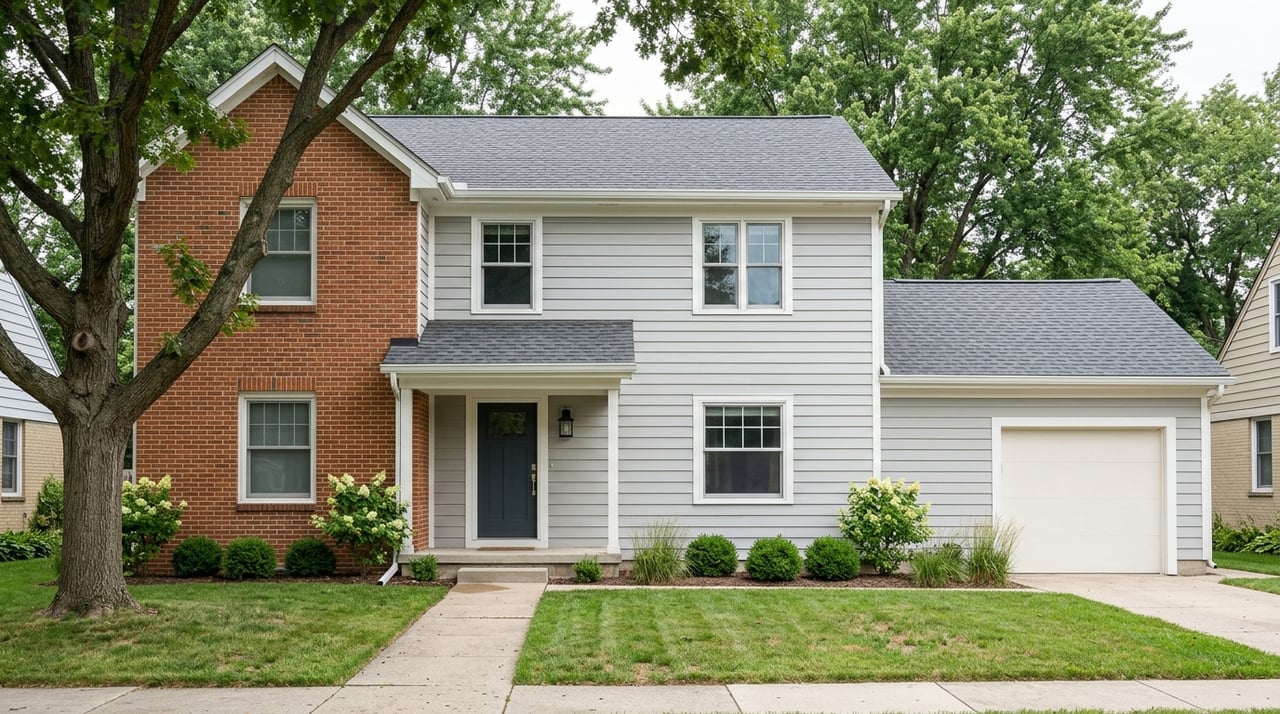
Pricing your home is one of the biggest decisions you will make before you sell, and in Elmwood Park, it can shape everything that happens next. If you price too high, you may lose the early attention that matters most. If you price too low, you risk leaving money on the table. The good news is that with the right pricing strategy, you can position your home to attract serious buyers and protect your bottom line. Let’s dive in.
Why pricing matters in Elmwood Park
Elmwood Park is not a market where broad Chicagoland averages tell the full story. According to the U.S. Census Bureau’s Elmwood Park profile, the village has a stable, mostly owner-occupied housing base, with a 65.2% owner-occupied rate and many residents staying in the same home year to year. That kind of stability makes hyper-local pricing especially important.
Current market numbers also show why precision matters. Redfin’s February 2026 market data reports a median sale price of $370,000 and a median 71 days on market, while Zillow’s snapshot cited in the research shows homes going pending in about 38 days. On top of that, Oak Park Area REALTORS® statistics for Elmwood Park show that in 2025, homes generally sold very close to list price, which tells you this is a market that tends to reward accurate pricing from the start.
Start with sold comps
When you price your Elmwood Park home, the most useful reference point is not what other sellers are asking. It is what buyers have actually paid for similar homes.
That means you should focus first on recent sold properties that match your home as closely as possible. In a village like Elmwood Park, where housing types and block-by-block appeal can vary quickly, the best comps are usually those with the same property type, similar age and condition, and similar location factors.
Use the same property type
One of the most common pricing mistakes is comparing very different homes. Elmwood Park has a mixed housing stock, and the CMAP housing profile shows that the village includes detached homes, 2-to-4-unit buildings, and a meaningful share of larger multi-unit properties.
That matters because each property type behaves like its own mini-market. A bungalow should not be priced against condo sales, and a condo should not be priced against detached homes. The 2025 Elmwood Park stats from Oak Park Area REALTORS® make that clear: average single-family sale price was $412,524, while condo and townhome average sale price was $190,473.
Match age and condition
Elmwood Park’s housing stock is older than many suburban communities. The CMAP profile puts the median year built at 1956, with many homes built before 1960.
Because of that, condition can shift value quickly. Two homes with similar square footage may price very differently if one has updated kitchens, newer mechanicals, a finished basement, or improved exterior condition and the other does not. In an older housing market, buyers often notice renovation level right away.
Price bungalows carefully
Brick bungalows are a major part of Elmwood Park’s housing identity. The Pace North Avenue Corridor Plan notes the historic Westwood development included 1,679 brick bungalows, which helps explain why this home style remains so relevant in the local market.
If you own a bungalow, square footage is only part of the pricing story. Buyers may also weigh the quality of updates, whether there is a rear addition, garage setup, basement finish, and overall layout functionality. In many cases, those details can influence value as much as size alone.
Focus on practical upgrades
In Elmwood Park, pricing a bungalow often comes down to how usable the home feels today. A refreshed kitchen, finished lower level, updated baths, or better storage may have a real impact on buyer response.
That does not mean every improvement adds dollar-for-dollar value. It does mean your home should be compared to other bungalows with a similar level of livability and finish, not just similar bedroom counts.
Separate condos and townhomes
If you are selling a condo or townhome, you need a different pricing lens. The local data shows this category operates far below detached-home pricing, and buyers in this segment are usually comparing similar buildings, layouts, and ownership costs.
That is why condo and townhome sellers should rely on comps from similar associations or buildings whenever possible. Comparing your unit to a nearby single-family sale can create an unrealistic list price and reduce early buyer interest.
Treat two-flats as their own market
Two-flats and small multifamily properties also deserve their own comp set. The CMAP housing profile shows that 15.8% of Elmwood Park’s housing stock is in 2-to-4-unit buildings, which is a meaningful share for a village of this size.
If you are pricing a two-flat, buyers are often looking at more than finishes. They may also consider unit count, condition, layout, and income potential. That makes small multifamily pricing different from detached-home or condo pricing, even on the same general stretch of blocks.
Account for location within the village
In Elmwood Park, location matters, but not always in a simple or uniform way. You should think about value in terms of micro-location, not just the village as a whole.
For example, access to transit can influence demand for some buyers. The Elmwood Park Station Area Plan describes the station area as roughly a 5-to-10-minute walk from the Metra station and notes the village is about 10 miles west of the Loop.
Transit can help, but block by block
Homes near the station or commuter corridors may attract more attention from buyers who value convenience. Pace Route 307 serves the Elmwood Park Metra MD-West Line station and connects to other transit nodes, adding to that accessibility.
Still, transit value is not automatic across every part of the village. The station-area plan notes that access from the north can be more difficult because of Grand Avenue traffic and limited signalized crossings. That is why transit should be treated as a location-specific pricing factor, not a guaranteed premium.
Avoid the overpricing trap
Many sellers are tempted to aim high and reduce later if needed. In practice, that strategy often works against you.
According to the National Association of Realtors®, average price cuts tend to grow as days on market rise, from 4.9% in the first 14 days to 13.8% after 120 days. The research report also notes Zillow found that homes lingering around two months sold roughly 5% below list on average, while homes on the market around 11 months sold about 12% below list.
Why first impressions matter
Elmwood Park data supports that same lesson. Redfin’s local market report shows a 71-day median on market, while other local and portal data cited in the research puts average timing in the low-to-mid 50-day range or faster to pending in some cases.
That tells you buyers are watching closely when a listing first launches. If your home enters the market above where buyers see value, you may miss the strongest early interest and end up chasing the market instead of leading it.
A smart Elmwood Park pricing framework
If you want a practical way to think about price, keep your focus on the factors that matter most in this village.
A strong pricing strategy usually starts with:
- Recent sold comps, not active list prices
- The same property type as your home
- Similar age and condition
- Similar transit access or micro-location
- Secondary adjustments for lot size, parking, basement finish, and renovation level
This approach fits Elmwood Park’s older housing stock, mixed property types, and block-sensitive location patterns. It also gives you a more realistic starting point than broad county or metro averages.
What sellers should do before listing
Before you set a final price, take a step back and evaluate how your home will look through a buyer’s eyes. Ask whether your likely comps really reflect your home’s current condition, layout, and location advantages.
It also helps to review what has sold recently, what is currently competing with you, and how long similar homes are taking to move. Pricing is not guesswork. It is a strategy built on evidence, positioning, and how buyers are likely to respond right now.
When you are ready to price your Elmwood Park home with a local, data-informed plan, Ed Bellock can help you evaluate the right comps, understand your home’s position in the market, and create a selling strategy built around real neighborhood conditions.
FAQs
What comps should I use to price an Elmwood Park home?
- You should use recent sold comps that match your property type, condition, age, and micro-location as closely as possible.
Should I compare an Elmwood Park bungalow to a condo sale?
- No. Elmwood Park’s housing mix shows detached homes and condos operate in different price ranges and should be priced within their own submarkets.
Does Metra access affect Elmwood Park home prices?
- Yes, it can, especially near the station and commuter corridors, but the effect is block-specific and not uniform across the whole village.
Can I overprice my Elmwood Park home and negotiate later?
- You can, but market research shows homes that sit longer often need larger price cuts, which can weaken your final result.
Are Elmwood Park two-flats priced like single-family homes?
- No. Two-flats are better priced against similar small multifamily properties, where condition, layout, and income potential may matter more than detached-home comps.