Thinking about a move where you can walk to coffee, hop a train to the Loop, and come home to tree-lined streets and historic charm? Oak Park might be the right fit. You want a village feel with city-level convenience, plus architecture that makes everyday walks more interesting. In this guide, you will learn what it feels like to live in Oak Park, how people get around, where the parks and shops are, and what to consider if you plan to buy or renovate. Let’s dive in.
Why Oak Park stands out
Oak Park sits just west of Chicago in Cook County. It grew during the streetcar era, which is why many blocks feel compact and walkable. You will find active neighborhood associations, a strong preservation culture, and a steady flow of community events.
The village is known for its historic architecture and local institutions. Many residents choose Oak Park for a shorter commute to downtown Chicago while enjoying a village-scale lifestyle. That mix of convenience and character is a core part of everyday life here.
Architecture and historic charm
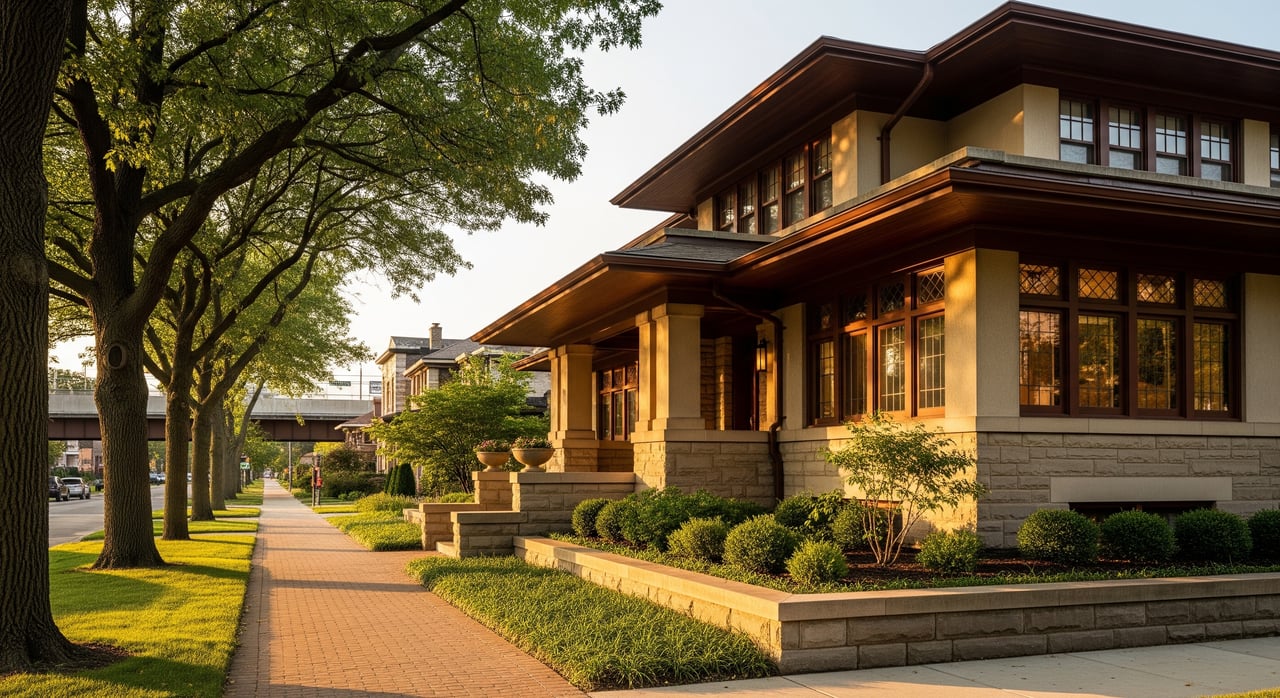
Oak Park has one of the country’s largest concentrations of early 20th century Prairie School architecture. You can visit Frank Lloyd Wright’s Home and Studio and see many of his residential designs, along with works by his contemporaries, on ordinary neighborhood walks. This legacy gives entire districts a cohesive look and feel.
If you purchase in a designated historic district or own a landmark home, exterior changes usually go through local preservation review. This can affect timelines and budgets for projects like window replacements, porches, or additions. Interior work is often less constrained, but it is smart to check requirements early. Plan ahead, talk to the village building department, and build a renovation timeline that accounts for permits and reviews.
Housing options and block-by-block feel
Housing types span classic bungalows, two-flats, foursquares, and larger single-family homes, along with small and mid-rise condo buildings near main corridors and transit. You will see a range of price points and property conditions from block to block. Historic districts provide extra character, while areas near rail stations and Lake Street offer condo and apartment options with quick access to shops and dining.
Buyers often fall into a few groups. Families look for established neighborhood blocks and access to local schools. Professionals value the transit choices and quick trips to the Loop. Downsizers and empty nesters often prioritize walkability, cultural amenities, and lower-maintenance homes close to village centers. If you want current pricing and inventory, review the latest local market reports and plan a tour to see how different areas match your goals.
Walkability and village centers
Oak Park’s walkability is a major draw. The downtown Lake Street corridor concentrates restaurants, cafes, services, and small retailers in a compact area. You can grab a coffee, visit the library, and run errands without getting in the car.
Beyond downtown, neighborhood business districts give each area its own rhythm. Portions of Oak Park Avenue, the Harlem and Lake area, and the Harrison Street arts district offer more dining, galleries, and everyday services. Scoville Park, a central greenspace near downtown, hosts concerts and community events and sits within steps of shops and the library.
Parks and green connections
You will find an array of small neighborhood parks, tot lots, and community gardens throughout the village. The Oak Park Conservatory adds a unique horticultural resource and year-round programming. If you like a Saturday morning ritual, a local farmers’ market and seasonal events fill the calendar.
For longer rides or runs, regional trails connect Oak Park to nearby suburbs and greenways. The Illinois Prairie Path and other area routes provide off-street options for walking, jogging, and cycling. These paths make it easy to extend your recreation beyond the village grid without heavy traffic.
Getting downtown and around
Transit is where Oak Park really shines for commuters. Many residents use the CTA Green Line for everyday trips to the Loop. Others ride Metra’s Union Pacific West line to reach downtown terminals. Depending on your location and time of day, typical rail commutes often fall in the 15 to 40 minute range.
If you drive, I-290 runs just south of the village and connects to I-294 and other regional routes. Arterial streets provide access to neighboring communities and city neighborhoods. Parking rules vary by block and near commercial corridors, so plan for permits and guest parking if you have multiple cars.
Schools and learning
Public elementary schools in Oak Park are served by local elementary district administration. The community shares Oak Park and River Forest High School District 200 for secondary education. Program options and performance metrics change over time, so it is best to review district websites and state report cards for up-to-date information on curriculum, class sizes, and student services.
Private and parochial options are also available. If schools are a key factor in your move, set aside time to compare programs, transportation options, and enrollment processes directly with each school.
Daily services and dining
Most daily needs are close at hand. Along Lake Street and nearby corridors, you will find independent restaurants, bakeries, coffee shops, and specialty grocers. Small professional offices, health services, and local retailers round out the mix. The scale tends to favor local business over big-box centers, which keeps storefronts human in scale and easy to navigate on foot.
Cultural life runs through the library system, community centers, galleries, and small theaters. You will see a steady calendar of events, from author talks to art walks. It is easy to stay engaged without leaving the village.
Practical tradeoffs to weigh
Older homes come with personality and history, and they may need updates to systems, insulation, or layout to match your lifestyle. Build a realistic renovation plan if you want to modernize kitchens, baths, or mechanicals in a vintage home. In historic districts, expect an extra layer of review for visible exterior work.
Cook County property taxes are a major part of homeownership costs. Rates and assessments vary by property, so review the current assessment, exemptions, and projected taxes during your purchase due diligence. If you rely on on-street parking, check local permit zones and time limits, especially near transit stations and business districts.
Is Oak Park a fit for you?
Oak Park works well for buyers who want a walkable lifestyle with quick city access. If you appreciate architectural history, strong local institutions, and compact village centers, you will likely feel at home. Families, professionals, and downsizers all find options that fit different budgets and living needs.
At the same time, understand the tradeoffs. Historic homes may require more maintenance. Exterior renovations can take longer due to preservation review. Parking can be tighter near train lines and retail streets. A clear plan and a local guide help you weigh these factors and choose the right block for your daily life.
How a local advisor helps
Choosing between a bungalow near parks, a condo steps from the Green Line, or a larger single-family home in a historic district is personal. A local advisor can help you compare renovation implications, parking rules, commute choices, and tax considerations property by property. You get more clarity and fewer surprises.
If you want that level of guidance, work with a broker who combines neighborhood roots with strong marketing. With deep ties to Oak Park, access to elevated listing distribution, and a modern digital platform for search and valuation, you get both personal attention and smart exposure. When you are ready to explore homes, map your commute, or discuss a sale, reach out to Ed Bellock for local, responsive support.
FAQs
What are commute options from Oak Park to downtown Chicago?
- You can ride the CTA Green Line or Metra’s Union Pacific West line, or drive via I-290, with typical rail commutes often ranging from about 15 to 40 minutes depending on station and time.
What housing types are common in Oak Park?
- You will find early-to-mid 20th century single-family homes, bungalows, two-flats, and small to mid-rise condos and apartments near major corridors and transit.
How do historic districts affect renovations in Oak Park?
- Exterior changes on designated properties often require preservation review and permits, while interior work is usually less constrained, so plan timelines and budgets accordingly.
How walkable and bikeable is Oak Park?
- Downtown Lake Street and neighborhood business districts support daily errands on foot, while regional trails like the Illinois Prairie Path offer off-street routes for biking and running.
What should I know about schools in Oak Park?
- Public elementary schools are served by local administration and the village shares Oak Park and River Forest High School District 200; review district sites and state report cards for current details.
What are property taxes like in Oak Park?
- Property taxes are a significant cost and vary by assessment and exemptions, so review the current records during due diligence and factor them into your purchase budget.