Thinking about trading Chicago’s neighborhood bustle for more space in the western suburbs? If Elmhurst is on your shortlist, you’re probably wondering how much your day-to-day life will really change. The short answer is that Elmhurst can keep you connected to Chicago while offering a more residential setting, more yard space, and a different pace. Here’s what to expect when you move from Chicago to Elmhurst, and how to decide if it fits the way you want to live.
Elmhurst offers a suburban feel
Elmhurst sits about 16 miles from Chicago’s Loop, so it is close enough to feel regionally connected while still functioning as its own community. Official data show a 2024 population estimate of 46,108, with a housing pattern that is much more home-focused than apartment-focused.
That difference matters right away when you arrive. Elmhurst is a mature suburb with a strong residential identity, not an urban infill environment. Land use data show a large share of the city is devoted to single-family residential use, while multifamily housing makes up a much smaller portion.
Expect more single-family homes
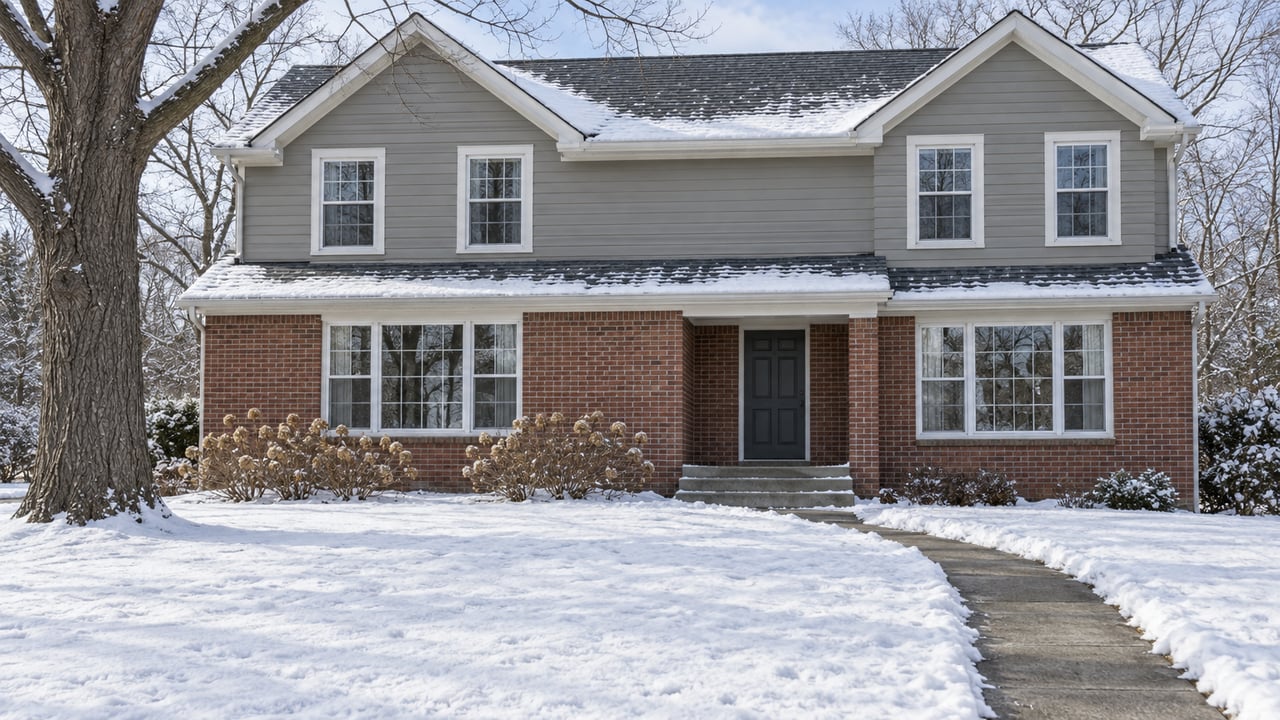
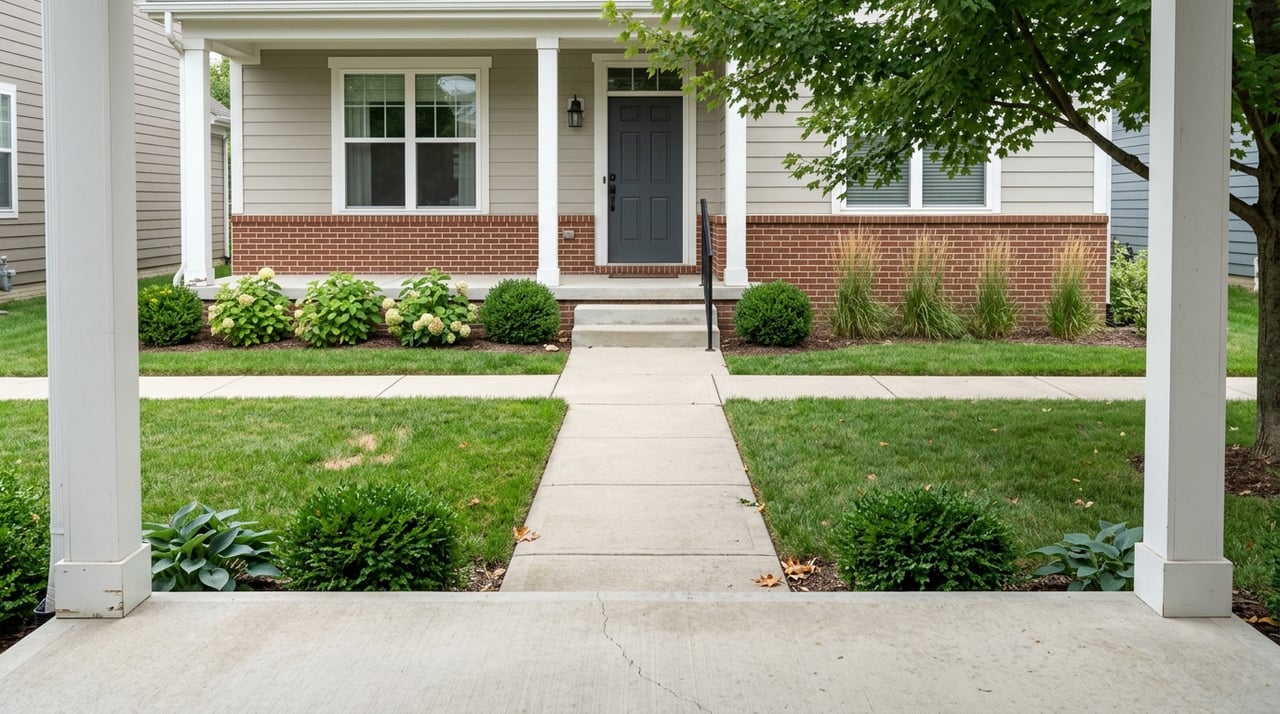
If you are leaving a condo, apartment, or two-flat in Chicago, Elmhurst will likely feel more spacious. About 72.9% of housing units are single-family detached, and the median home has 6.5 rooms.
In practical terms, that often means front yards, back yards, garages, and driveways become part of everyday life. You may also find that your home search shifts from comparing building amenities and transit access to comparing lot size, layout, storage, and outdoor space.
Housing styles are varied
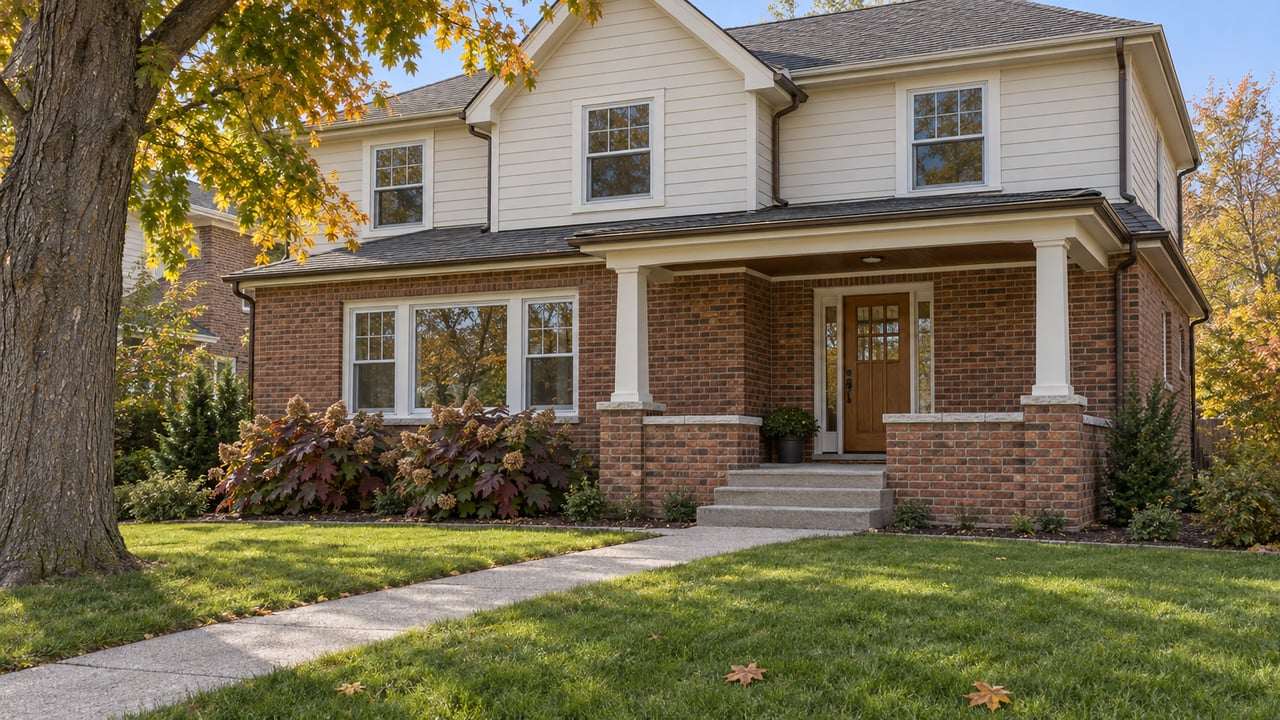
Elmhurst does not have one single housing look. A large share of homes were built from 1940 to 1969, and another portion dates to before 1940, so you will see established housing stock throughout the city.
At the same time, newer homes are part of the mix. That gives buyers a range of options, from older homes with traditional architectural character to newer infill construction with more modern layouts.
Established blocks shape the feel
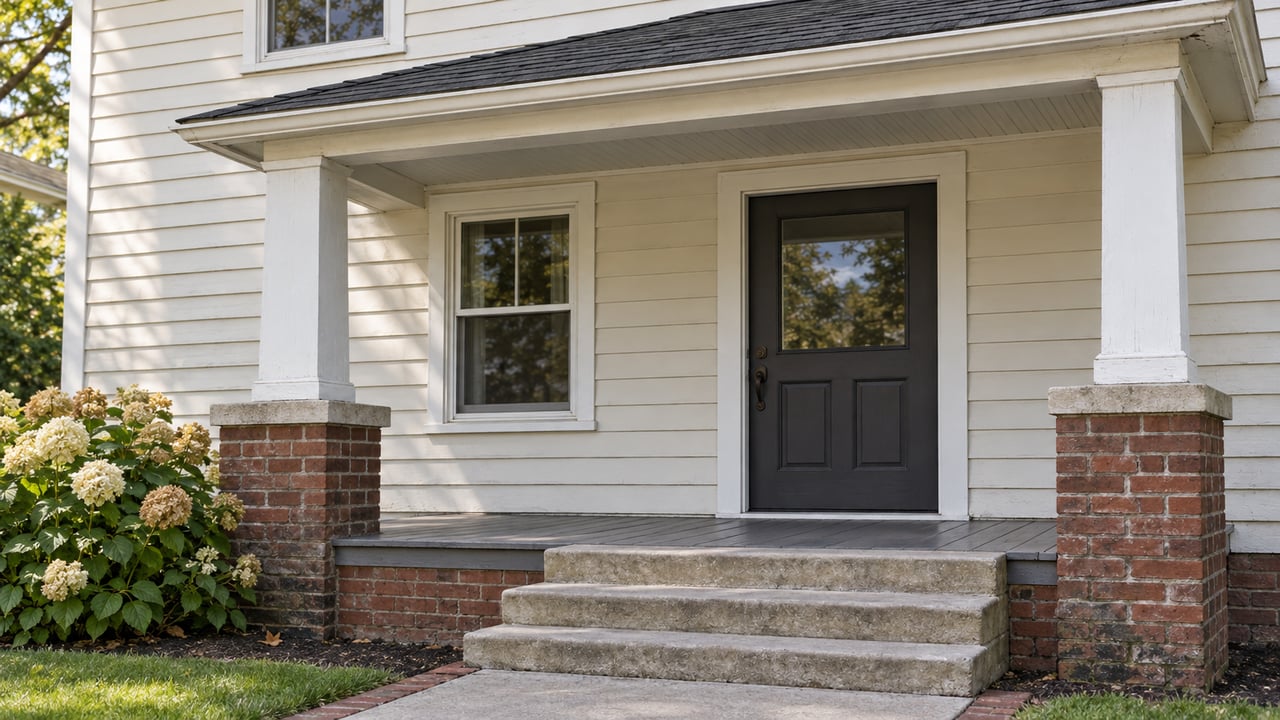
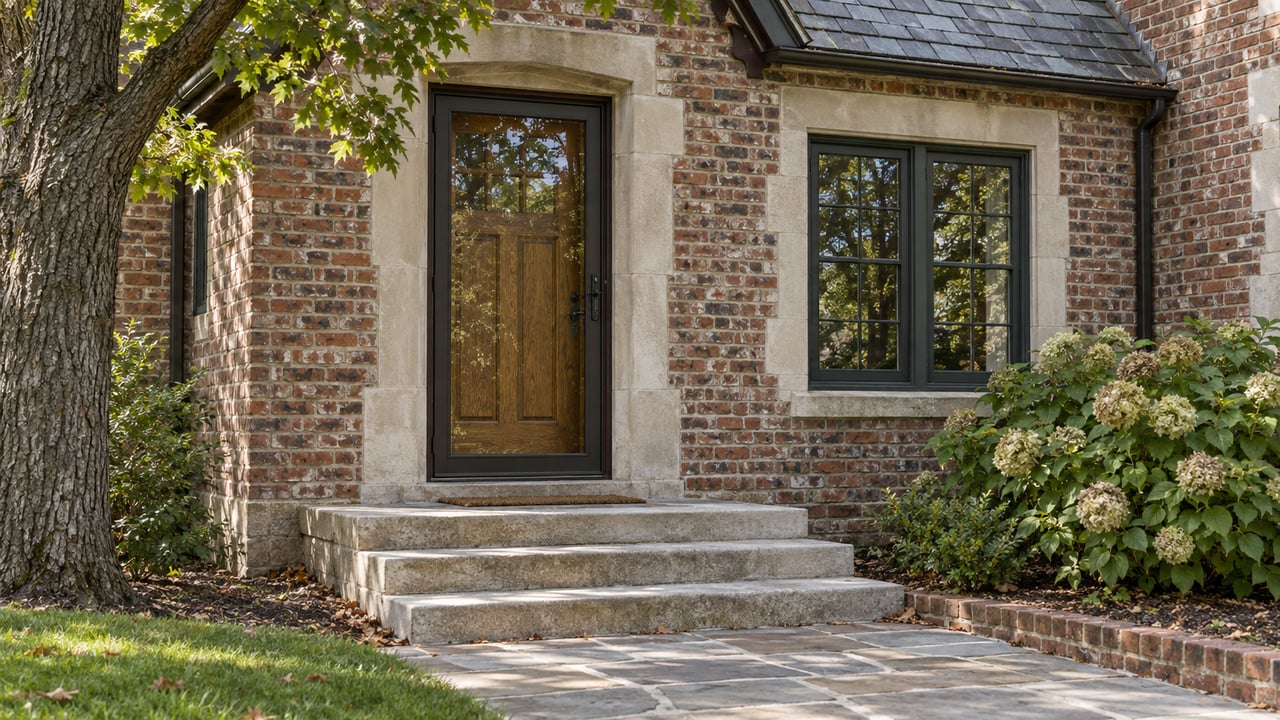
Historic survey work in the York-Cottage Hill area reflects a housing pattern many Chicago movers notice quickly. The area is dominated by single-family homes, with styles that include Colonial Revival, Tudor Revival, Ranch, and Split-Level homes.
The overall impression is of tree-lined residential blocks with architectural variety. If you are used to dense streets lined with condos or multi-unit buildings, Elmhurst will feel noticeably more suburban.
Walkability changes in Elmhurst
One of the biggest lifestyle shifts is how walkability works. Elmhurst has walkable pockets, especially around City Centre, Spring Road, York & Vallette, and the trail network, but it is not a walk-everywhere environment in the same way many Chicago neighborhoods are.
That means your routine may become more destination-based. You might walk for dinner, coffee, errands, or events in certain areas, then drive for many other parts of daily life.
Downtown is the social hub
Elmhurst’s downtown identity is a major part of its appeal. The city promotes City Centre as the heart of the community, with boutique shopping, dining, movies, and Metra access, while Spring Road and York & Vallette add more restaurant and retail activity.
For many former Chicago residents, this is the easiest part of the transition. Elmhurst can still offer that main-street energy, just in a suburban format with more parking and a less dense street pattern.
Trails and green space play a bigger role
Elmhurst also offers a stronger green-space component than many city neighborhoods. The Elmhurst Park District reports 28 parks, more than 460 acres of land, nearly six miles of paved or asphalt park trails, plus another 3.6 miles of trails within Elmhurst.
The Illinois Prairie Path runs through the city, and regional trail connections add to everyday recreation options. If you want a place where parks, paths, and open space are part of your weekly routine, Elmhurst gives you more of that balance.
Commuting to Chicago is still realistic
Yes, you can absolutely commute from Elmhurst to Chicago. The main difference is that your trip is more likely to revolve around Metra and station parking instead of CTA-style service.
The Elmhurst station on the Union Pacific West line is located at 128 W. 1st St. at York Road. It is accessible, has ticket vending machines, and includes 1,487 parking spaces.
The train commute is manageable
Metra identifies Ogilvie Transportation Center as the Chicago terminal for the UP-W line, and Elmhurst University describes the ride to the Loop as about 30 minutes by train. For many buyers, that keeps downtown work and city access very much in play.
Still, the feel of commuting changes. Instead of deciding between several bus or train options throughout the day, you are more likely to organize your schedule around train times, station access, and parking.
Most residents still rely on cars
Commute data help explain the broader picture. CMAP reports that 61.3% of Elmhurst workers drive alone, 8.2% use transit, 23.1% work from home, and only 2.4% walk or bike to work.
That does not mean Elmhurst lacks convenience. It means most residents experience it as a car-plus-train suburb, not as a transit-first city neighborhood.
Daily life feels calmer and more residential
For many Chicago movers, the appeal of Elmhurst is not just square footage. It is the overall rhythm of daily life.
You still get active commercial areas, local events, dining, and cultural amenities, but they are framed in a quieter setting. Explore Elmhurst describes the city as a tree-lined community with shops, restaurants, theatre, art, museums, and year-round events.
It may feel familiar in specific ways
If you are trying to picture Elmhurst through a Chicago lens, the closest comparisons are neighborhoods with a compact commercial core rather than a dense downtown grid. In that sense, Elmhurst can remind buyers of places like Lincoln Square or Andersonville, where a main street helps shape the community feel.
The difference is that Elmhurst pairs that village-center energy with more detached homes, more parking, and a more suburban land-use pattern. If you love the idea of local shops and restaurants but want more breathing room at home, that combination may be exactly what you are looking for.
It is not a nightlife-first setting
Elmhurst has restaurants, retail districts, and regular community activity, but it is not positioned as a nightlife district. Buyers coming from places with a heavier late-night scene may notice that shift quickly.
For many households, that tradeoff is the point. You get access to activity and dining without living in the middle of a denser, louder urban environment.
Schools and parks are major draws
If schools and recreation are part of your move, Elmhurst has a strong civic infrastructure. Elmhurst Community Unit School District 205 says it serves more than 8,400 students across one early childhood center, eight elementary schools, three middle schools, one high school, and a transition center.
The district also states that all D205 schools are rated Exemplary or Commendable on the 2025 Illinois State Report Card. York Community High School is the district’s single high school.
Recreation is part of everyday living
The park system adds to Elmhurst’s appeal for buyers who want more outdoor options close to home. Between parks, trails, and regional connections, the city supports an active routine without feeling far-flung or remote.
That can be a meaningful shift if you are moving from a part of Chicago where green space feels more limited or where outdoor recreation requires more planning. In Elmhurst, it is more likely to be built into your neighborhood routine.
What Chicago buyers notice first
Most Chicago buyers moving to Elmhurst notice a few changes right away:
- More detached homes and larger overall housing footprints
- More dependence on driving for daily errands
- Walkability concentrated in downtown pockets instead of spread across entire neighborhoods
- Easier access to yards, garages, and outdoor space
- A commute that still works for Chicago, but feels more schedule-based
- More parks and trail access in everyday life
None of those changes are automatically better or worse. They simply reflect a different style of living, and the right fit depends on what matters most to you.
Is Elmhurst the right move for you?
Elmhurst tends to work well for buyers who want to stay connected to Chicago while gaining more space and a more residential setting. It can be a strong fit if you value a downtown district, practical train access, established housing stock, and a suburban environment with parks and trails.
The key is knowing what you are willing to trade. If you want block-by-block walkability and transit at your doorstep, Elmhurst may feel less seamless than Chicago. If you want a suburban home base with a lively center and a workable city connection, it may feel like a smart next step.
If you are weighing Elmhurst against Chicago neighborhoods or other western suburbs, working through the day-to-day details can make the decision much clearer. If you want help comparing options and finding the right fit for your move, reach out to Ed Bellock.
FAQs
Is Elmhurst walkable for someone moving from Chicago?
- Elmhurst is walkable in specific areas like City Centre, Spring Road, York & Vallette, and parts of the trail network, but it is not a walk-everywhere environment like many Chicago neighborhoods.
Can you commute from Elmhurst to downtown Chicago?
- Yes. The Elmhurst Metra station on the Union Pacific West line connects to Ogilvie Transportation Center, and the train ride to the Loop is described as about 30 minutes.
What kinds of homes can buyers expect in Elmhurst?
- Buyers can expect mostly detached single-family homes, many from established construction eras, with a mix of older architectural styles and some newer homes.
Does Elmhurst feel connected to Chicago?
- Yes, but the connection is more suburban in nature, with daily life shaped by Metra, roads, and parking rather than CTA-style urban transit.
What makes Elmhurst appealing for buyers seeking more space?
- Elmhurst offers a housing mix dominated by single-family homes, more yards and garages, and broader access to parks and trails than many Chicago neighborhoods.