Looking at River Forest and wondering how the village really breaks down block by block? That is a smart question, because River Forest is not just one type of housing market. If you are comparing home styles, price points, and day-to-day feel, understanding where older historic homes cluster and where lower-maintenance options tend to sit can save you time and sharpen your search. Let’s dive in.
River Forest at a glance
River Forest is a small west suburban village about 10 miles west of downtown Chicago. Official village materials describe it as a primarily residential community shaped by early rail-line development, and that history still shows up clearly in the housing stock today.
The village borders Oak Park, Forest Park, Elmwood Park, and the Des Plaines River. It was incorporated in 1880 and remains closely associated with historic preservation, older homes, and a strong single-family identity.
Where River Forest neighborhoods stand out
River Forest does not divide into sharply branded neighborhoods the way some larger communities do. Instead, buyers usually notice a few distinct residential pockets based on architecture, lot size, and housing type.
Historic core and local historic district
One of the most recognizable parts of River Forest is the local historic district. It stretches roughly from Harlem Avenue to the Des Plaines River and from Division Street to Washington Boulevard, covering about 860 properties.
This area includes many of the village’s best-known older homes, especially along streets such as Edgewood, Keystone, Thatcher, Franklin, Park, Williams, and Ashland. If you are drawn to architecture, mature streetscapes, and homes with a strong sense of history, this is often where your attention goes first.
Northwoods estate section
Northwoods is a subdivision bounded by Thatcher, Lathrop, Chicago Avenue, and Division Street. Village survey materials identify it as River Forest’s estate section, developed in the 1920s with high-style mansions on expansive lots.
In practical terms, this pocket often appeals to buyers looking for larger homesites and more prominent historic residences. It helps explain why River Forest is often associated with high-end detached housing, even though that is not the whole market.
Rail-line development corridor
The village profile notes that River Forest’s earliest homes were built along the east-west rail line between Chicago Avenue and Madison Street. That early development pattern helps create the older, walkable, and architecturally layered feel many buyers notice in the central part of the village.
If you want a location that reflects River Forest’s original growth pattern, this corridor and nearby interior blocks are important to understand. You will often see a mix of home ages and styles that tell the story of the village’s development over time.
Corridor-adjacent condo and townhome areas
If you are searching for a condo, townhome, or another lower-maintenance option, the village’s comprehensive plan offers a useful clue. River Forest’s multifamily buildings are primarily located along major corridors, and attached single-family homes are also concentrated on or near North Avenue, Harlem Avenue, Lake Street, and Madison Street.
That means buyers looking for an easier entry point into River Forest often focus near those busier edges rather than the interior single-family blocks. It is a practical pattern to keep in mind if you want less exterior upkeep or a smaller footprint.
North-side campus edge
The north side of River Forest can feel more open and campus-like because Concordia, Dominican, and the Priory occupy roughly 110 acres in the village. This creates a different visual rhythm from the more tightly residential central streets.
For some buyers, that setting adds a sense of openness and variety. It is another example of how River Forest offers several distinct living environments within a relatively small area.
River Forest housing styles
One of River Forest’s biggest draws is architectural variety. The village’s historic preservation materials identify Gothic Revival, Victorian, Prairie School, Tudor Revival, Bungalows, Buurma Built, Art Deco, and Moderne as important local styles.
The village survey also notes work by Frank Lloyd Wright, William Drummond, Spencer and Powers, and E.E. Roberts. On top of that, River Forest includes more than 230 Tudor Revival homes, along with Colonial Revival, Dutch Colonial, bungalow, ranch, and split-level examples.
Historic signature homes
If you picture classic River Forest, you are probably imagining Prairie School, Tudor Revival, and large Colonial Revival homes. These tend to define the village’s premium image, especially in the historic core and Northwoods.
For buyers, these homes often offer standout architecture, larger room counts, and a stronger historic identity. They can also vary widely in updates, lot size, and layout, so two homes in the same style may live very differently.
Mid-century and postwar options
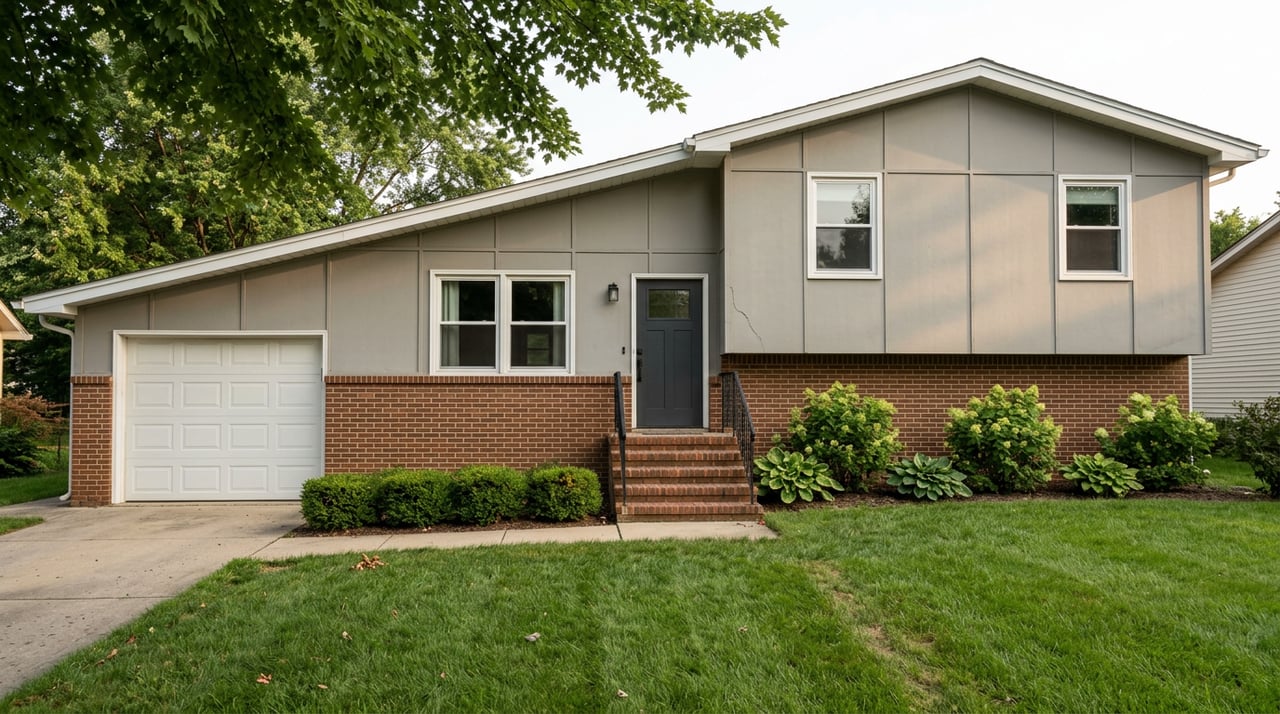
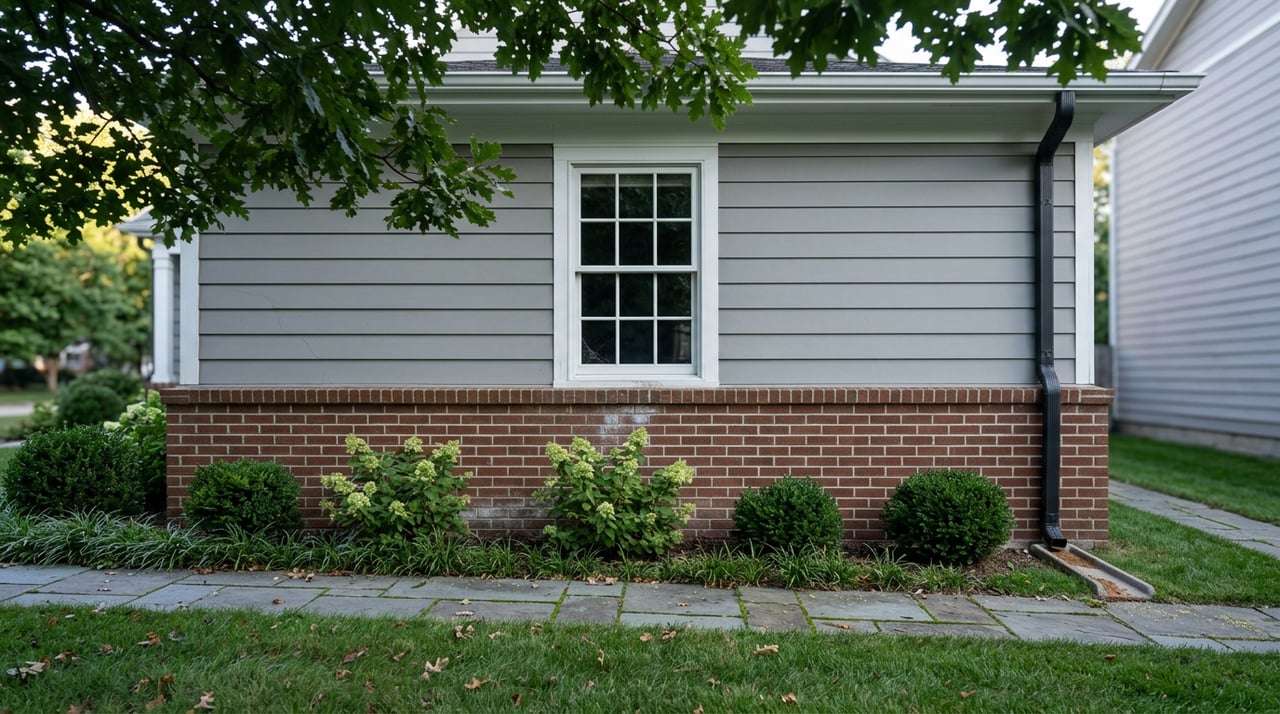
River Forest is not only grand estates and landmark houses. Village survey materials show that bungalows, ranches, split-levels, and simpler Colonial Revival homes are also part of the housing mix.
That matters if you want a detached home in River Forest but do not need the scale or maintenance of a major historic property. These homes can create a more approachable entry tier while still giving you access to the village’s location and amenities.
Condos and townhomes
Lower-maintenance housing is part of the River Forest story too. Condominiums, townhomes, and small apartment buildings are mostly corridor-oriented rather than spread evenly across the village.
If you want to be in River Forest without taking on the upkeep of a large single-family home, these options deserve a close look. They are especially relevant for first-time buyers, downsizers, and anyone prioritizing simplicity.
What prices look like in River Forest
River Forest spans a wider price range than many buyers expect. Public listing snapshots show condos from about $130,000 to $550,000, while detached homes currently appear from roughly $525,000 to $2.1 million.
Other market snapshots point in a similar direction, even though they measure different things. Realtor.com shows a median listing price of $630,000, Redfin reported a $526,000 median sale price in March 2026, and the Cook County Assessor’s River Forest Township dashboard reports 2025 median sale values of $292,000 for condos, $570,000 for small apartment buildings, and $900,000 for single-family homes.
The simplest takeaway is this: River Forest has a real condo and townhome entry point, but its signature single-family market still centers in the upper hundreds of thousands and above. Larger historic homes and estate-lot properties can move well into seven figures.
How to match your goals to the right area
The best part of River Forest is that you can approach it with different priorities and still find a logical starting point. The key is knowing which part of the village best fits your budget, lifestyle, and housing preferences.
If you want historic character
Start with the historic core and the streets most associated with the local historic district. This is where many of River Forest’s most recognizable older homes are concentrated, and where the architectural variety feels most visible from block to block.
If you want larger lots and premium homes
Focus on Northwoods and nearby estate-style sections. This area is closely tied to River Forest’s higher-end image and includes some of the village’s most substantial houses.
If you want an easier entry point
Look closely at corridor-adjacent condos, townhomes, and smaller attached housing near North Avenue, Harlem Avenue, Lake Street, and Madison Street. These areas can offer a lower-maintenance path into the village.
If you want a detached home without estate scale
Do not overlook River Forest’s bungalows, ranches, split-levels, and simpler Colonial Revival homes. They often get less attention than the trophy properties, but they are a meaningful part of the local market.
Daily life factors buyers often compare
Housing style is only part of the decision. Many buyers also compare River Forest based on schools, parks, and transportation.
River Forest is served by River Forest School District 90 for elementary and middle school and Oak Park and River Forest High School District 200 for high school. In October 2025, all District 90 schools received Exemplary or Commendable designations from the state, with Lincoln and Willard rated Exemplary and Roosevelt rated Commendable.
The village also highlights strong access to green space. Its western edge is defined by the Des Plaines River and expansive Cook County Forest Preserves, and the village profile lists amenities such as baseball fields, soccer fields, open space, tennis courts, paddle tennis, a climbing wall, a sled hill, and walking paths. The River Forest Park District’s 2025 ACFR says it manages 10 parks on 28.25 acres of parkland.
Transit is another practical advantage. Metra’s River Forest station on the Union Pacific West line is at 8001 W. Central Avenue and connects to Pace routes 309 and 313, while the village also points to I-290, Metra UP-West, and local Pace service as part of the area’s appeal.
River Forest compared with nearby Oak Park
Because River Forest borders Oak Park, many buyers compare the two. Based on the village materials in the research, the most useful distinction is not city access but housing mix and scale.
River Forest generally reads as the more detached-home-oriented option, with a stronger architecture-forward profile and a more pronounced single-family identity. At the same time, it still shares west-side convenience, transit access, and nearby amenities that make this part of the market so competitive.
The bottom line on River Forest housing
If you are early in your search, it helps to think of River Forest as a village with two parallel stories. One is the high-end historic side, shaped by Prairie, Tudor, Colonial Revival, and estate-style homes. The other is a smaller but very real mix of condos, townhomes, and postwar detached houses that gives buyers more flexibility than the village’s reputation might suggest.
When you understand those two sides of the market, River Forest becomes much easier to navigate. If you want help comparing blocks, housing styles, and price points in River Forest or nearby western suburbs, Ed Bellock can help you build a smart, local strategy.
FAQs
What types of homes are common in River Forest?
- River Forest includes Prairie School, Tudor Revival, Colonial Revival, Dutch Colonial, Victorian, bungalow, ranch, split-level, condo, and townhome options, with many historic homes concentrated in the village’s core areas.
Where are condos and townhomes usually located in River Forest?
- According to the village comprehensive plan, multifamily buildings and attached housing are primarily located along or near major corridors such as North Avenue, Harlem Avenue, Lake Street, and Madison Street.
What is the historic district area in River Forest?
- River Forest’s local historic district stretches roughly from Harlem Avenue to the Des Plaines River and from Division Street to Washington Boulevard, covering about 860 properties.
What is Northwoods in River Forest?
- Northwoods is a subdivision bounded by Thatcher, Lathrop, Chicago Avenue, and Division Street, identified in village survey materials as River Forest’s estate section developed in the 1920s.
What are home prices like in River Forest?
- Recent source snapshots show condos from about $130,000 to $550,000 and detached homes from roughly $525,000 to $2.1 million, with additional market data showing different median figures depending on whether the source tracks listings, sales, or assessed categories.
How does River Forest compare with Oak Park for buyers?
- A practical difference is housing mix: River Forest generally feels more detached-home-oriented and architecture-forward, while still offering the same broader west-side convenience and transit access that draw buyers to this area.