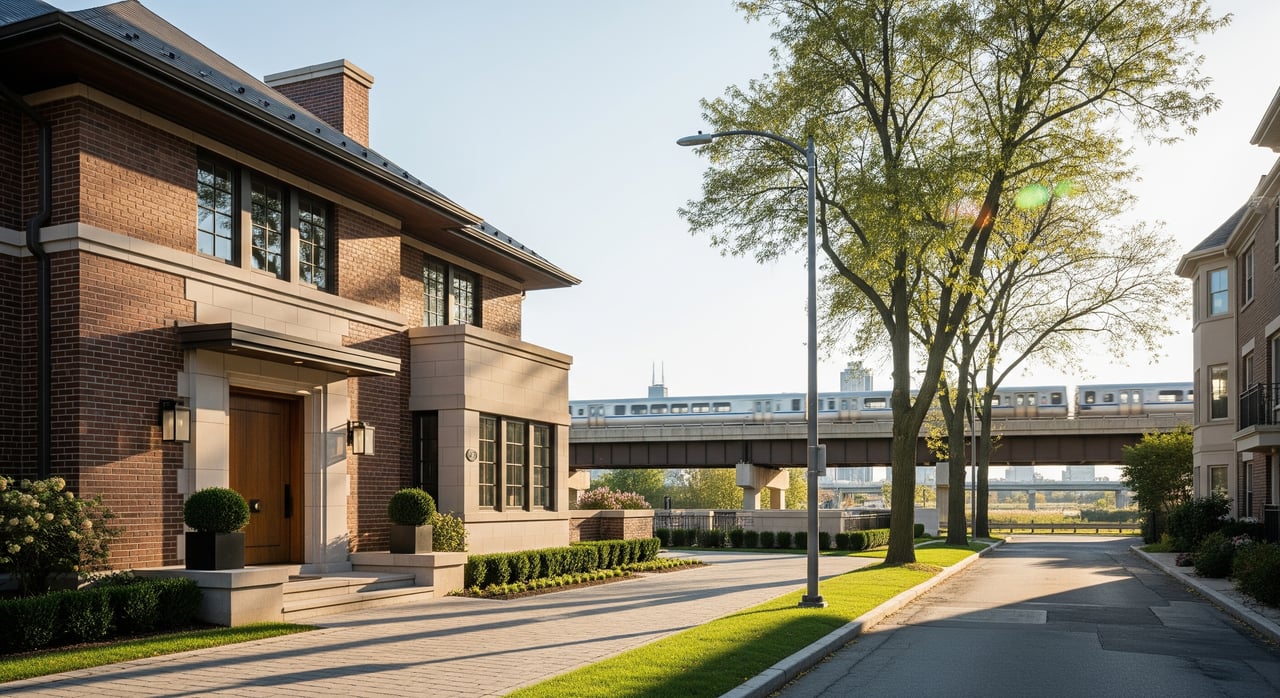
Thinking about Elmwood Park but not sure how you’ll get downtown or to O’Hare? You want commute options that are simple, reliable, and flexible enough for real life. In this guide, you’ll compare Metra, CTA connections, and driving via I‑290 so you can plan door-to-door with confidence. Let’s dive in.
Where Elmwood Park fits in Chicagoland
Elmwood Park sits in Cook County between downtown Chicago and O’Hare Airport. That near-suburban location gives you multiple ways to get around: Metra commuter rail to Union Station, CTA rapid transit via nearby connections, and quick access to I‑290 plus links to I‑294 and I‑90.
If you commute downtown, travel frequently to the airport, or need hybrid flexibility, Elmwood Park’s position offers practical choices for everyday life.
Metra MD‑W to Union Station
What to expect
Elmwood Park is served by Metra’s Milwaukee District West line. Trains run directly to Chicago Union Station, which puts you close to major employers and a wide range of transit connections. Metra is built for suburban commuters, with comfortable cars and a predictable peak-period pattern.
Weekdays often concentrate service in the morning and evening peaks, while midday, evening, and weekend schedules are lighter. You can ride with a laptop, read, or simply relax on the way in.
Tickets and schedules
Metra uses zone-based fares and offers single-ride, 10‑ride, and monthly options. Always check the current MD‑W schedule for exact departure times and the latest travel time range to Union Station. Schedules and fares can change, so verify before you go.
Station experience in Elmwood Park
Local station amenities matter for your day-to-day routine. Before you commit to a route, confirm:
- Parking availability, permit policies, and daily rates.
- Bike parking and shelter, ADA access, and ticket vending.
- Shelter and seating on platforms.
- Drop-off zones for rideshare, taxi, or quick pick-ups.
Who this fits best
Metra is a strong fit if you work near downtown and value a direct, comfortable ride. It also works well for hybrid commuters who split time between office and home, and for travelers who occasionally carry luggage to Union Station for intercity trips.
CTA access and O’Hare
Blue Line for O’Hare and downtown
Elmwood Park does not sit on a CTA rail line, but you are a short drive, bus ride, or bike trip from nearby CTA Blue Line stations. The Blue Line offers frequent service throughout the day with direct access to O’Hare and convenient service to the West Loop and downtown Chicago. For airport trips, the Blue Line is often the simplest choice because trains run consistently and you avoid terminal parking costs.
If you prefer to park and ride, scout nearby station parking options and compare total door-to-door time.
Bus links that serve Elmwood Park
CTA and Pace buses connect Elmwood Park to surrounding stations and corridors. Routes, stop locations, and frequencies vary by day and time. Confirm the specific route numbers that serve your block, and compare weekday versus weekend schedules for your needs.
Driving via I‑290 and regional expressways
Driving remains a flexible option, especially for off-peak trips or suburban destinations.
- I‑290 to downtown: The Eisenhower Expressway is the most direct east-west route to the Loop. Travel time varies significantly by time of day. Expect heavier congestion during weekday peaks.
- O’Hare via I‑294, I‑90, and I‑190: These corridors connect you to the airport. Conditions can change with incidents or airport surges. I‑294 is a tollway, so budget for transponder costs if you use it often.
- Surface arterials: Harlem Avenue and Mannheim Road offer alternatives for local trips and airport access when expressways slow down.
Parking downtown and at O’Hare adds cost and time. If you drive frequently, compare monthly parking against rail or CTA options to see what fits your routine and budget.
Last‑mile and everyday logistics
Walkability and station radius
Use simple planning heuristics for walkability:
- About 0.25 mile is typically a 5 to 7 minute walk and feels convenient for many.
- About 0.5 mile is often a 10 to 12 minute walk and may be acceptable depending on weather and mobility.
Set your home search radius using time on foot, not just distance in miles.
Noise and livability near the rails
Homes close to rail lines or station areas can experience train horns, idling engines, and more vehicle traffic. Ask the Village about any quiet zone policies and planned improvements that affect quality of life.
Parking and residential permits
Many commuters drive to the Elmwood Park Metra station. Check current lot capacity, permit programs, and daily parking costs. Streets near the station may have residential permit rules. Confirm details before you buy or sign a lease.
Biking and micromobility
Biking can be a great last-mile solution. Look for secure bike parking at the station and nearby bike lanes. If you rely on bike-share or scooters, confirm whether programs operate in your area and how they connect to the station.
Rideshare, taxi, and late hours
Designated pick-up and drop-off zones make commutes smoother. For evening events or early flights, factor in potential rideshare surge pricing and plan a backup option.
Accessibility and early shifts
If you need early-morning or late-night travel, verify MD‑W and bus schedules in advance. Confirm ADA access at the station so your routine stays consistent in all seasons.
How transit proximity shapes your home search
Proximity to reliable transit often increases buyer demand and can help homes sell faster. The exact premium varies by market conditions. Focus on what supports your lifestyle:
- Walking time to the Elmwood Park Metra station.
- Door-to-door access to a CTA Blue Line station for airport and downtown trips.
- Drive time to I‑290 and regional expressways.
- Parking options at home, at stations, and near your workplace.
- Walk Score and Transit Score as supporting metrics, then confirm details in person.
If you are comparing homes, map morning and evening trips on a weekday and test your preferred route at least once.
For sellers: showcase commute strengths
Highlight commuter convenience in your listing and at showings:
- Verified travel ranges to Union Station and O’Hare under typical conditions.
- Walking time to the Elmwood Park Metra station and nearby bus stops.
- On-site parking, garage capacity, and nearby permit options.
- Last-mile choices like bike routes, rideshare access, and safe drop-off space.
- Any village quiet zone status or station improvements that enhance livability.
Which option fits your routine
- Daily downtown commuter: Metra MD‑W to Union Station is often the most comfortable and direct choice during peak hours.
- Frequent flyer or late-night traveler: The CTA Blue Line provides frequent, all-day service with direct access to O’Hare.
- Hybrid and flexible schedules: Mix Metra on office days with driving or CTA for off-peak errands and airport trips.
Plan with confidence: verify before you go
Transit and traffic are dynamic. Before you set your routine or publish commute times, check official sources for the latest updates:
- Metra Milwaukee District West schedules, fares, and station amenities.
- CTA Blue Line frequencies, station parking options, and bus schedules.
- Pace suburban bus routes serving Elmwood Park.
- Village of Elmwood Park parking rules, quiet zones, and planned improvements.
- IDOT and Illinois Tollway for construction, traffic patterns, and toll details.
Staying current keeps your commute predictable and your budget on track.
Let’s map your move
Whether you need a 5-minute walk to the platform or quick access to I‑290, you deserve a home that fits your commute and your life. If you are buying or selling in Elmwood Park or nearby western suburbs, partner with a local advisor who understands both the streets and the schedules. Reach out to Ed Bellock to compare neighborhoods, plan your door-to-door time, and position your move for success.
FAQs
How long is the Elmwood Park to downtown Chicago commute?
- Metra’s MD‑W runs directly to Union Station with concentrated peak-hour service; door-to-door time depends on your walking or parking routine and transfers, so verify current schedules before you go.
Is there a direct train from Elmwood Park to O’Hare Airport?
- There is no direct Metra service to O’Hare; the CTA Blue Line provides direct airport access and requires a short drive, bus ride, or bike trip from Elmwood Park to a nearby station.
Which is more reliable for work trips from Elmwood Park: Metra or the CTA Blue Line?
- Metra is reliable and comfortable for peak-period downtown commutes, while the Blue Line runs frequently throughout the day and is a strong choice for airport and off-peak trips.
What should homebuyers know about living near the Elmwood Park Metra station?
- Many buyers value walkability to the station, which can increase demand; weigh that against potential train noise, traffic near the station, and on-street parking competition.
Are there parking or permit rules near the Elmwood Park Metra station?
- Yes; confirm station lot capacity, daily rates, and permit programs, and check with the Village about residential permit parking on nearby streets before purchasing or renting.