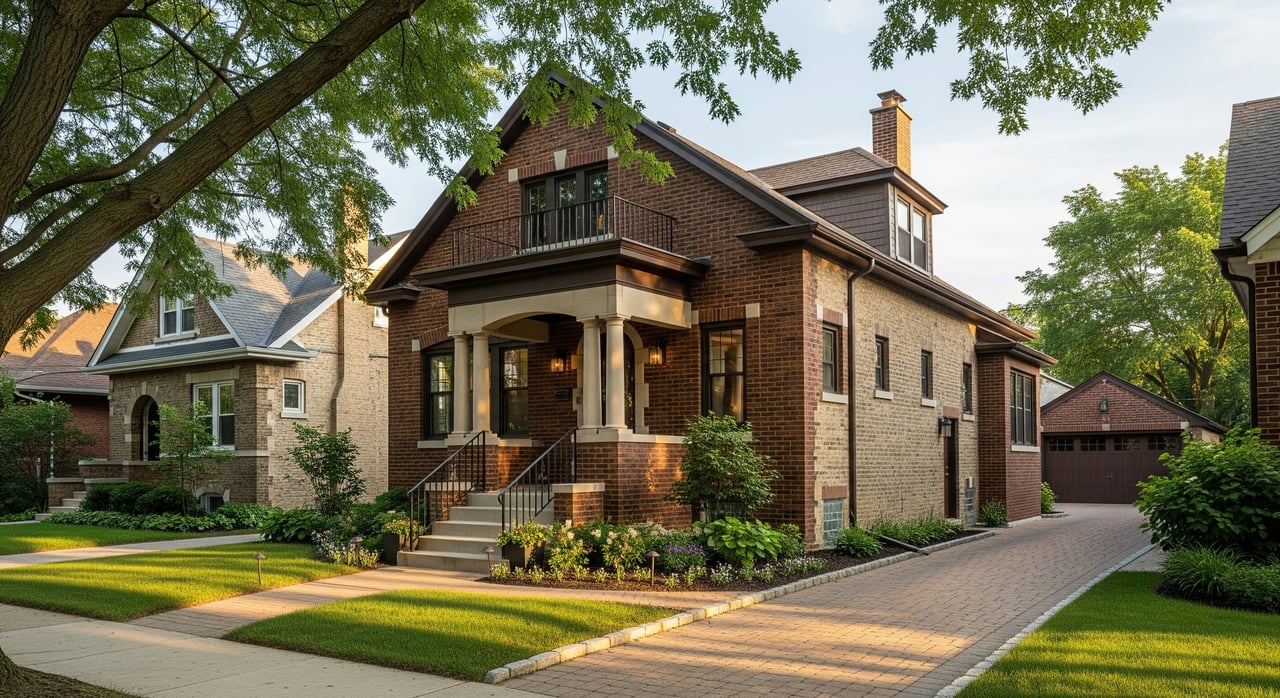
Looking for a close-in suburb where you can enjoy neighborhood charm and still get to Chicago with ease? If you are a first-time buyer or a downsizer, Elmwood Park gives you real choices across housing styles, walkability, and maintenance levels. In this guide, you will map your lifestyle to the right pockets, understand common home types and costs, and use a simple checklist to tour with confidence. Let’s dive in.
How Elmwood Park fits your lifestyle
Elmwood Park sits just west of Chicago and blends village feel with city access. You will find bungalows, ranches, small multifamily buildings, and condos or townhomes. The core tradeoffs come down to walkability versus lot size, transit access versus quieter streets, and vintage charm versus turnkey convenience. Your best match depends on how you balance commute, budget, and upkeep.
Buyer priorities to consider
Commute and transit access
If you rely on public transit, focus on blocks within an easy walk of the commuter rail and bus stops. Door-to-door timing during peak hours matters more than a schedule screenshot. If you drive, consider how quickly you reach I-290, I-294, or I-90 and where you can park at home. Keep a running list of your top three commute options and test them.
Walkability and daily errands
Restaurant and retail corridors deliver coffee, dinner, and services within minutes. Living a block or two off the action can reduce evening noise while keeping the perks. If you need daily walkable groceries or medical services, map a 5 to 10 minute walk or drive radius and compare.
Yard space and maintenance
Interior residential blocks tend to offer more private yards and a quieter feel. Smaller lots near retail and transit reduce yard work but increase pedestrian activity. Decide how much time you want to spend on landscaping and snow removal.
Budget and ongoing costs
Vintage homes can offer value and character, but you may plan updates for kitchens, baths, HVAC, or electrical. Condos and townhomes reduce exterior maintenance but add HOA dues. In Cook County, be sure to factor property taxes, insurance, and utilities into your monthly number.
Micro-areas that match your goals
Transit-adjacent station area
If a quick rail ride is your priority, look within roughly a half-mile of the station and key bus stops. You will see a mix of small multifamily buildings, condos, townhomes, and smaller-lot single-family homes. This area typically offers the shortest walk to dining and services. Expect more foot traffic and higher per-square-foot pricing close to the walkable core.
Commercial and restaurant corridors
If you want a social, eat-and-shop lifestyle, target the blocks hugging the main dining and retail strips. Buildings here often include condo or apartment options above storefronts, with single-family homes a few blocks out. You get strong walkability and evening energy. Visit after work and on weekends to understand noise, parking, and activity.
Park-oriented residential blocks
If green space tops your list, focus on interior streets near neighborhood parks and playgrounds. You will see early and mid-20th-century bungalows, brick ranches, and two-flats with yards. These pockets feel quieter and offer easier space for gardening or play. Plan for slightly longer walks to major retail or transit.
Affordable starter-home pockets
If you are stretching every dollar, look for smaller homes or older properties that need updates. Modest single-family houses and smaller multifamily buildings can create an entry point to homeownership. Budget for near-term improvements based on inspection findings. Focus on structure, roof, mechanicals, and electrical capacity.
Low-maintenance downsizer clusters
If you are ready to skip yard work, consider condos or townhomes near services and transit. Many associations handle exterior upkeep, landscaping, and snow removal. Compare floor plans with fewer stairs and good mobility features. Review HOA coverage, fees, and reserves so your monthly costs stay predictable.
Housing styles you will see
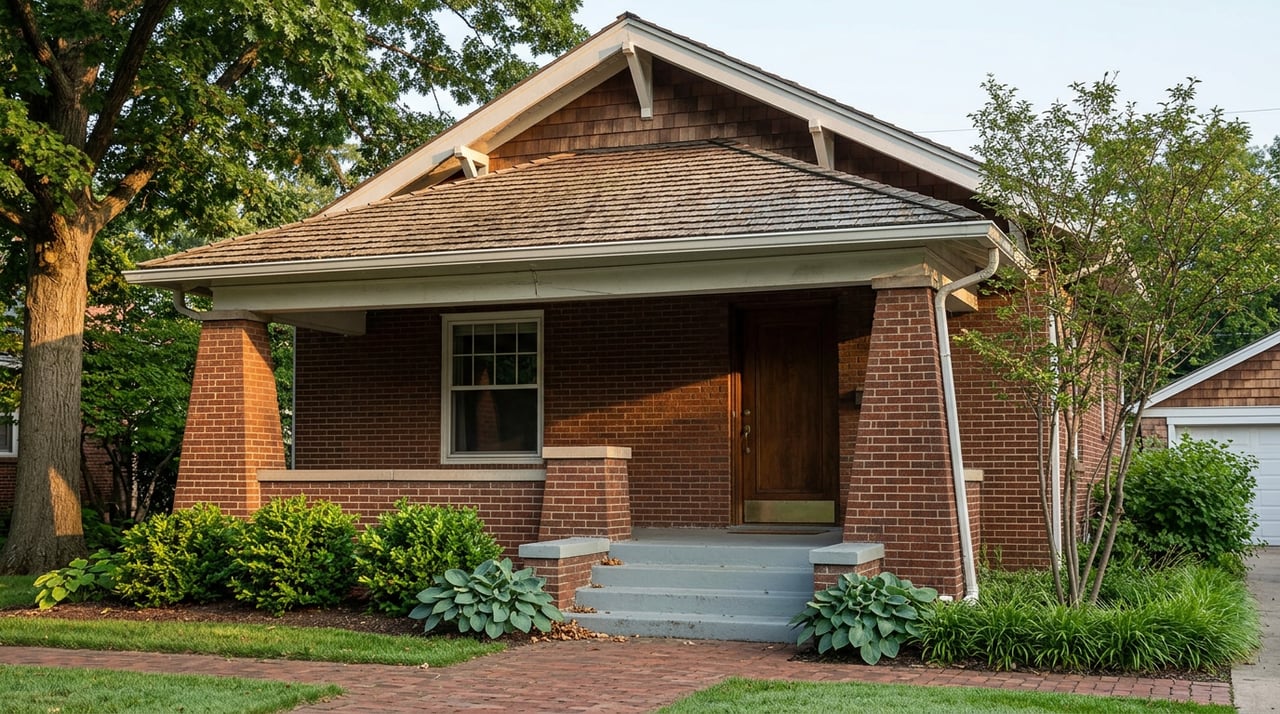
Bungalows and brick cottages
These homes offer solid masonry construction and classic details. They often need modernization of kitchens, baths, and systems. Look for upgrades to windows, insulation, and HVAC that affect comfort and utility costs. Ask your inspector to evaluate electrical and basement moisture.
Mid-century ranches and capes
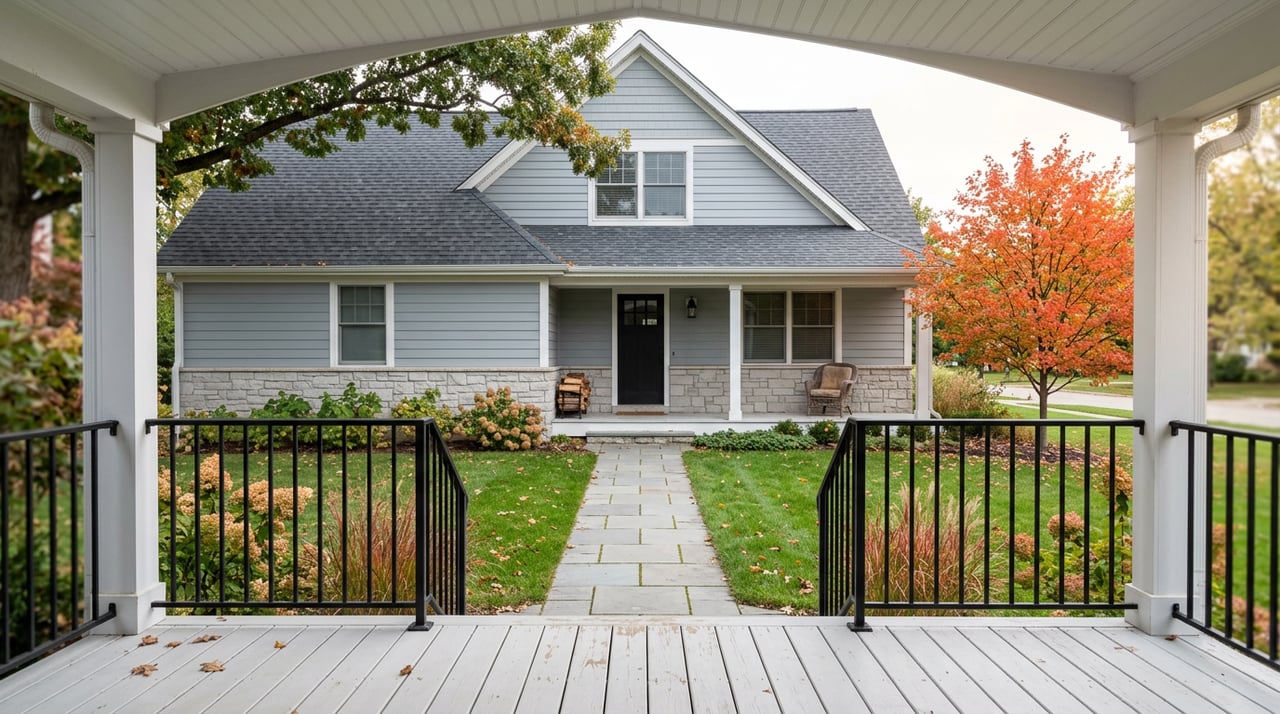
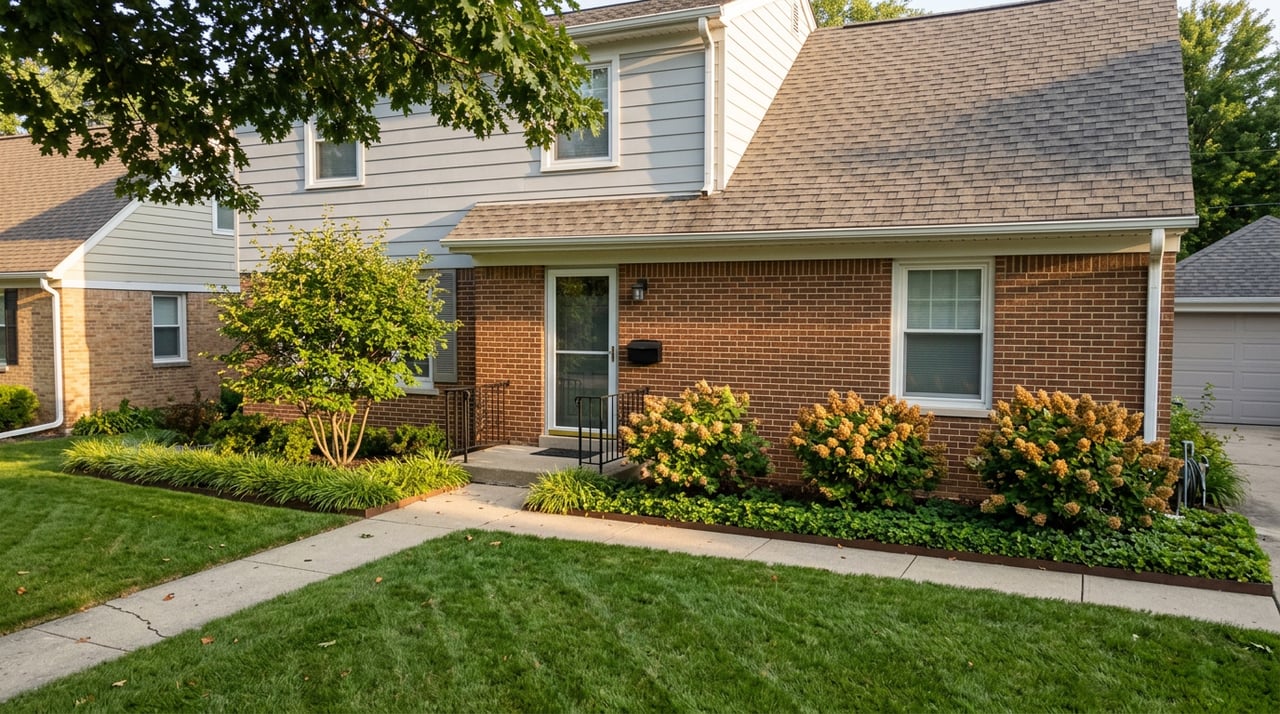
Single-story ranches are popular for downsizers who prefer fewer stairs. Footprints can be modest, which helps with maintenance. Confirm the age and capacity of the mechanicals and whether the roof and windows have been updated. Check storage and bedroom sizes to ensure fit.
Small multifamily and condos
Two-flats and small multifamily buildings can provide income potential or a path to house-hacking. Condos and townhomes offer simpler upkeep, often with exterior maintenance handled by an association. For shared buildings, review HOA policies and future project plans. Confirm parking, storage, and pet rules if applicable to your lifestyle.
Newer infill and renovated townhomes
You will also see modernized homes or newer builds with open layouts and updated systems. These options appeal if you want turnkey living and fewer near-term projects. Compare list prices to anticipated maintenance costs for older homes to find your value sweet spot. Ask for a list of recent improvements and permits.
Costs, taxes, and HOAs
Cook County property taxes and utilities
Elmwood Park is in Cook County, which uses its own assessment methods and timelines. Review recent tax bills, look for exemptions you may qualify for, and build a cushion for changes. Compare insurance quotes across property types. Include utilities in your monthly planning, especially in larger or older homes.
HOA dues and what to review
For condos and townhomes, read the condo declaration, budget, reserves, and the last year of meeting minutes. Ask what dues cover, such as roof, exterior, snow removal, landscaping, and insurance. Look for any planned special assessments or major projects. Align the HOA’s financial health with your long-term plans.
Touring checklist for Elmwood Park homes
- Commute test: time your door-to-door commute during weekday peak hours.
- Walkability scan: walk a 0.25 to 0.5 mile radius and note transit, coffee, groceries, and services.
- Yard vs upkeep: evaluate lot size, tree canopy, and snow removal needs.
- Condition check: focus on roof, foundation, drainage, basement moisture, HVAC age, electrical panel, and plumbing. For pre-1978 homes, discuss lead paint testing and best practices.
- Noise and activity: visit evenings and weekends to gauge restaurant and street activity.
- Monthly costs: review Cook County tax history and, for condos, HOA dues and reserve strength.
How to prioritize your search
- If transit is nonnegotiable, start within a half-mile of the station and bus nodes, then adjust for budget and space.
- If dining and errands drive your day, target corridors first, then step back a block or two for quieter streets.
- If yard space matters, focus on interior park-adjacent blocks and trade a longer walk for a calmer setting.
- If budget leads, begin with smaller homes or renovation candidates, then weigh project costs against monthly savings.
- If low maintenance is key, compare condo and townhome options with single-floor bungalows, and stack up total monthly costs.
Next steps
You do not have to choose between city access and neighborhood ease in Elmwood Park. By lining up your top three priorities and using the touring checklist, you can zero in on the right pocket and property type with confidence. If you want a local, step-by-step plan and access to on- and off-market opportunities, connect with Ed Bellock for a personalized search and guidance from first tour to closing.
FAQs
What Elmwood Park area works best for commuters?
- Focus on homes within about a half-mile of the commuter rail station and key bus stops for the shortest door-to-door trips.
How walkable are Elmwood Park’s dining corridors for daily life?
- Living on or just off the main restaurant and retail strips offers easy access to coffee, dinner, and services with a short stroll.
What home styles are most common in Elmwood Park?
- You will see many Chicago-era bungalows, brick ranches, small multifamily buildings, and a selection of condos, townhomes, and newer infill.
How should first-time buyers budget for older Elmwood Park homes?
- Plan for system updates and interior refreshes, and prioritize inspections for roof, mechanicals, electrical capacity, plumbing, and basement moisture.
What should downsizers review when considering condos or townhomes?
- Compare floor plans and accessibility, then review HOA budgets, reserves, coverage, and any planned assessments to predict monthly costs.
How can I compare property taxes and monthly costs in Elmwood Park?
- Look at recent Cook County tax bills and insurance estimates, then add utilities and any HOA dues to get a realistic monthly total.