If you are trying to choose between a condo and a vintage home in Oak Park, you are not alone. This is one of those local real estate decisions where both options can make a lot of sense, and the better fit usually comes down to how you want to live day to day. In this guide, you will learn how Oak Park’s housing stock, upkeep costs, historic rules, and transit options can shape your decision so you can move forward with more confidence. Let’s dive in.
Why this choice matters in Oak Park
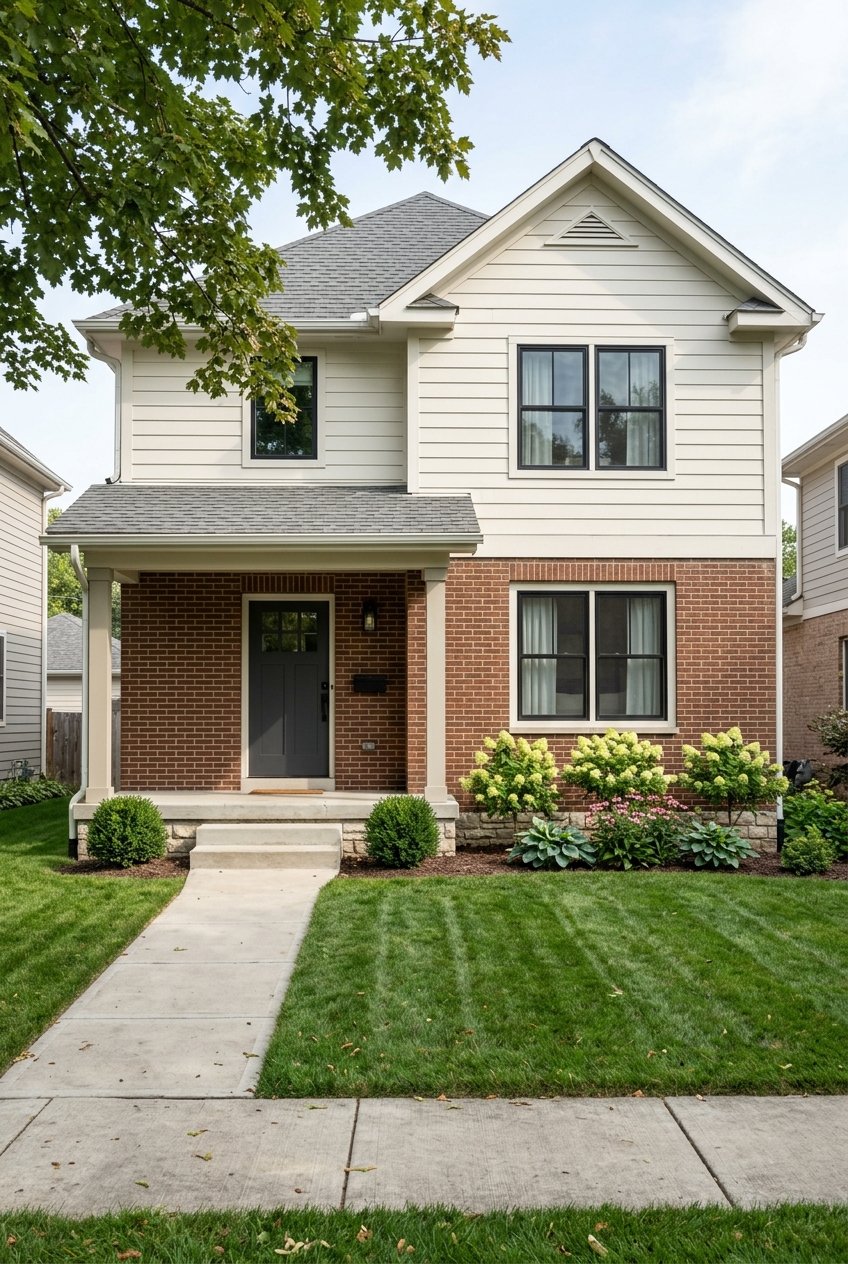
Oak Park is not a market where one housing type clearly dominates the other. The village has 52,823 residents packed into just 4.7 square miles, and its housing mix includes detached homes, two-flats, smaller multi-unit buildings, and larger condo buildings. That gives you real options if you are deciding between convenience and character.
The age of the housing stock also matters. The median year built in Oak Park is 1938, and 59.1% of homes were built before 1940. In other words, older properties are not the exception here. They are a major part of what defines the market.
Oak Park is also known for historic architecture. The village notes that it has three historic districts covering about a third of Oak Park, more than 70 locally designated landmarks, and 25 Frank Lloyd Wright designs. So when you compare a condo to a vintage home, you are not just comparing square footage. You are also comparing two very different ownership experiences.
Condo vs. vintage home at a glance
For many buyers, the biggest difference comes down to who handles the property and how predictable the costs feel over time. A condo can simplify everyday upkeep, while a vintage home often gives you more control and more direct responsibility.
Here is a simple side-by-side view:
| Factor | Condo | Vintage Home |
|---|---|---|
| Upkeep | More exterior and common-area upkeep is often handled through the association | You are usually responsible for repairs and maintenance directly |
| Monthly costs | Mortgage, taxes, and condo assessment | Mortgage, taxes, and your own repair budget |
| Renovation control | May be limited by association rules | More autonomy, but exterior work may need village review in historic areas |
| Character | Can vary widely by building and unit | Often stronger period detail and architectural charm |
| Space | Often smaller footprint | Often more living space and storage |
| Transit fit | Often attractive near rail stops | May trade a longer walk for more space or a quieter block |
Neither option is automatically better. The right choice depends on how you balance cost, flexibility, space, and lifestyle.
Costs are not just about price
It is easy to compare list prices and stop there, but that rarely tells the full story in Oak Park. Census QuickFacts lists the median value of owner-occupied housing units at $465,500 and median selected monthly owner costs with a mortgage at $3,202. Those numbers can help you set a baseline, but your real comparison should go deeper.
With a condo, your monthly budget usually includes your mortgage, property taxes, and a condo assessment. Under Illinois law, condo boards must prepare an annual budget, provide for reasonable reserves for capital expenditures and deferred maintenance, and notify owners when a separate assessment is being considered. That structure can make routine upkeep more predictable, but it can also create risk if the building faces major repairs.
With a vintage home, you may not pay a monthly assessment, but you take on more direct maintenance responsibility. Roof work, windows, mechanical systems, foundation repairs, and exterior upkeep become part of your own planning and cash flow. That can feel more flexible, but it also means fewer shared costs and fewer built-in systems for long-term repairs.
Property taxes matter in both cases. The Cook County Assessor explains that assessments are one part of the property tax system, while total tax bills are shaped by local taxing bodies, not the Assessor alone. That is why a smart Oak Park comparison looks at total monthly carrying cost, not just purchase price.
Upkeep and repair responsibility
One of the clearest differences between condos and vintage homes is how much of the maintenance burden lands on you. If you want less day-to-day involvement, a condo may be appealing because many exterior and common-area responsibilities are handled through the association.
That said, easier does not always mean simpler. You still need to understand how well the association plans ahead. A lower monthly assessment may look attractive at first, but it is worth asking whether the budget and reserves support future repairs.
A vintage home usually gives you more independence. If you want to choose your own contractors, set your own repair schedule, and make more of the property decisions yourself, that freedom can be a major plus. The tradeoff is that you are also the one responsible when something expensive needs attention.
Historic character and preservation rules
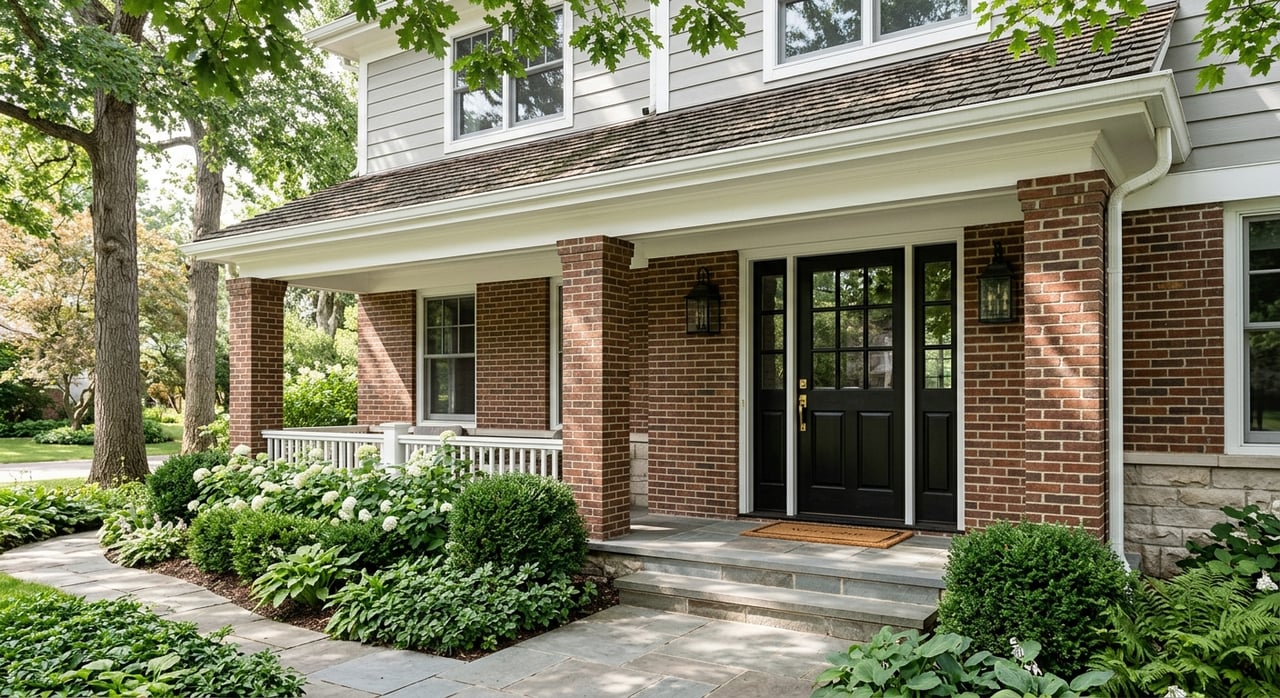
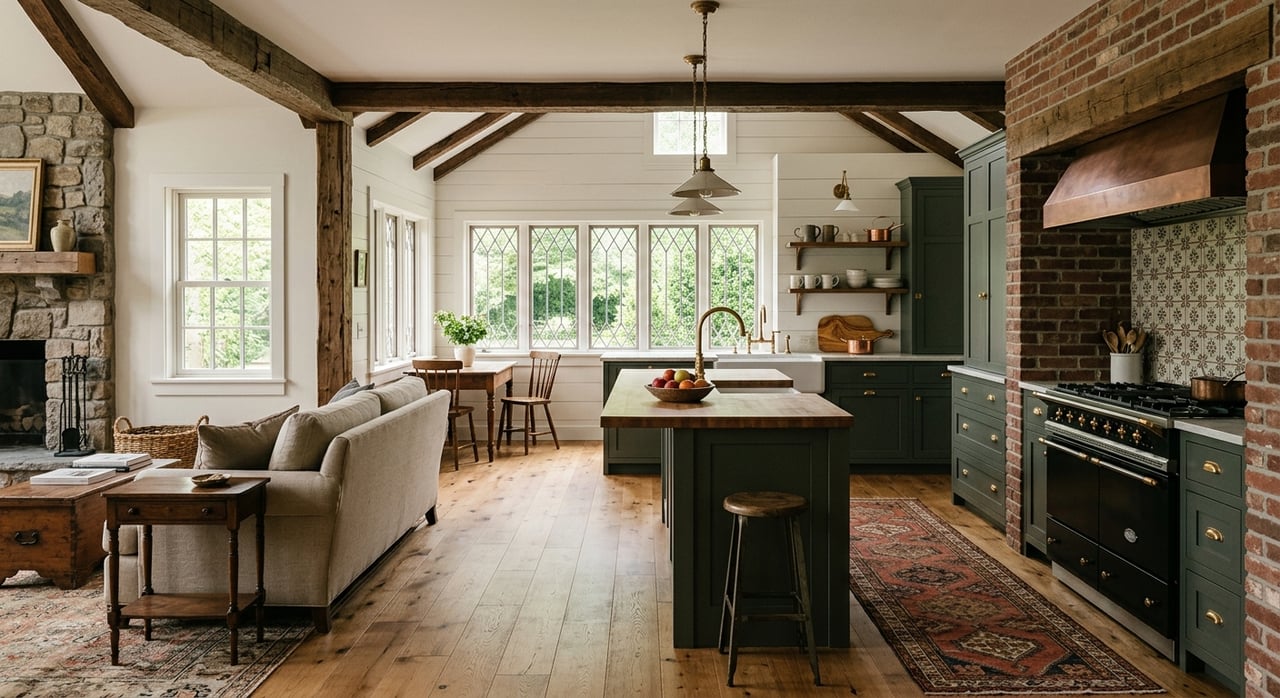
Oak Park buyers often care deeply about architectural character, and for good reason. The village describes its architecture as internationally notable, with Queen Anne, Prairie School, and Colonial Revival styles playing a major role in the local identity. If you love original millwork, built-ins, front porches, and period details, a vintage home may offer the stronger emotional connection.
But character often comes with rules. In Oak Park, the Historic Preservation Commission reviews exterior alterations, additions, full or partial demolition, and building-permit work within historic districts. Ordinary maintenance, such as exterior painting, is not reviewed.
That distinction matters. If you are buying a vintage home and plan to renovate, you should verify whether the property is in a historic district or is landmarked before you make an offer. You may have more control than you would in a condo, but you may also need village review for certain exterior changes.
Renovation flexibility is different in each option
If remodeling is part of your long-term plan, this is one of the most important parts of your decision. In a condo, the association’s governing documents may limit certain changes, especially if they affect exterior elements or shared components of the building. Even when a project seems straightforward, the approval process can shape your timeline and budget.
In a vintage home, the key question is often not whether you can renovate, but how much review is required for the specific work you want to do. Interior updates may be very different from exterior changes in terms of process and oversight. The more ambitious your plans, the more important it is to confirm the property’s status and understand the local review path early.
This is where buyers often benefit from local guidance. A property that looks perfect on paper can feel very different once you factor in association rules, building conditions, or historic preservation requirements.
Space, layout, and daily living
Lifestyle fit often becomes clearer when you stop thinking in categories and start thinking in rooms, storage, and routine. Oak Park’s housing stock includes many smaller units, with 30.0% of homes having 0 to 1 bedroom and 26.2% having two bedrooms. That suggests a market where compact condo living and larger prewar homes truly coexist.
If you are considering a condo, compare actual square footage, storage, parking, and layout rather than assuming every unit will feel efficient or low maintenance. Some condo buildings offer great transit convenience but less storage or less flexibility in room use. Others may surprise you with larger layouts in older buildings.
If you are considering a vintage home, think beyond charm. Ask how the layout works for your everyday life, whether you want more separation between rooms, and how much space you really plan to use. Older homes often bring more room and more personality, but they may also have quirks that require compromise.
Transit can tip the scale
Oak Park has strong regional transit access, and that can make both property types attractive for different reasons. The CTA Green Line serves Oak Park, with the Oak Park station located at 100 S. Oak Park Ave. It connects with Pace bus route 311 and offers broad service hours that can be a real advantage for commuters.
Metra is another major factor. The Oak Park station on the Union Pacific West line is at 1115 W. North Blvd. and includes accessibility, ticket machines, 208 parking spaces, and connections to CTA Route 90 and several Pace routes.
Community data from CMAP reinforce how transit-oriented the village is. About 16.2% of workers use transit, 27.7% work from home, 12.7% of households have no vehicle available, and 49.4% have one vehicle. The mean commute time is 31.8 minutes.
For condo buyers, being close to a rail stop can be a major lifestyle win. For vintage-home buyers, it may be worth walking a bit farther or driving a bit more if that gets you the space, block, or home style you prefer.
A simple framework for deciding
If you feel torn, try narrowing your choice based on the tradeoffs that matter most to you.
A condo may be the better fit if you:
- Prefer lower day-to-day maintenance
- Want a smaller footprint
- Value easy access to transit or downtown commuting
- Are comfortable reviewing association finances and rules
- Like the idea of shared responsibility for exterior upkeep
A vintage home may be the better fit if you:
- Want more character and architectural detail
- Prefer more control over the property
- Need more space, storage, or flexibility
- Are prepared to budget for repairs directly
- Understand that historic-district status may affect exterior projects
As you compare options, focus on these questions:
- What will your total monthly carrying cost look like?
- How much maintenance responsibility do you want personally?
- Do you want renovation freedom, even if it comes with more planning?
- How important is transit proximity to your routine?
- Are you drawn more to convenience or to the feel of a true period home?
The best choice is usually the lifestyle fit
In Oak Park, this decision is rarely about picking the “better” property type in the abstract. It is usually about choosing the ownership style that matches your budget, schedule, commute, and comfort with maintenance. Because the village offers a real mix of condos, vintage single-family homes, and older multi-unit properties, you have room to be selective.
That is also why local context matters so much here. A condo with strong reserves and a great location near transit may be a smarter fit than a charming house that needs more work than you want to take on. On the other hand, a vintage home with the right layout and manageable upkeep may give you a far better long-term fit than a condo that feels too limited after a year or two.
If you want help comparing specific Oak Park condos and vintage homes, Ed Bellock can help you weigh the real-world tradeoffs and find the option that fits how you actually want to live.
FAQs
What should you compare when choosing a condo or vintage home in Oak Park?
- Compare total monthly carrying cost, maintenance responsibility, renovation flexibility, transit access, storage, parking, and the property’s overall fit for your daily routine.
How do condo costs work in Oak Park, Illinois?
- Condo ownership usually includes a mortgage, property taxes, and a monthly assessment, and Illinois law requires condo boards to prepare an annual budget and provide for reasonable reserves.
What should you check before buying a vintage home in Oak Park?
- Review the age and condition of the roof, windows, mechanical systems, and foundation, and confirm whether the home is in a historic district or is landmarked.
How do historic district rules affect Oak Park homes?
- In historic districts, the village reviews exterior alterations, additions, demolition, and building-permit work, while ordinary maintenance such as exterior painting is not reviewed.
Is transit access important when buying in Oak Park?
- Yes. Oak Park has CTA Green Line and Metra access, so your distance to a station can have a big impact on convenience, commute time, and even how much car you need day to day.