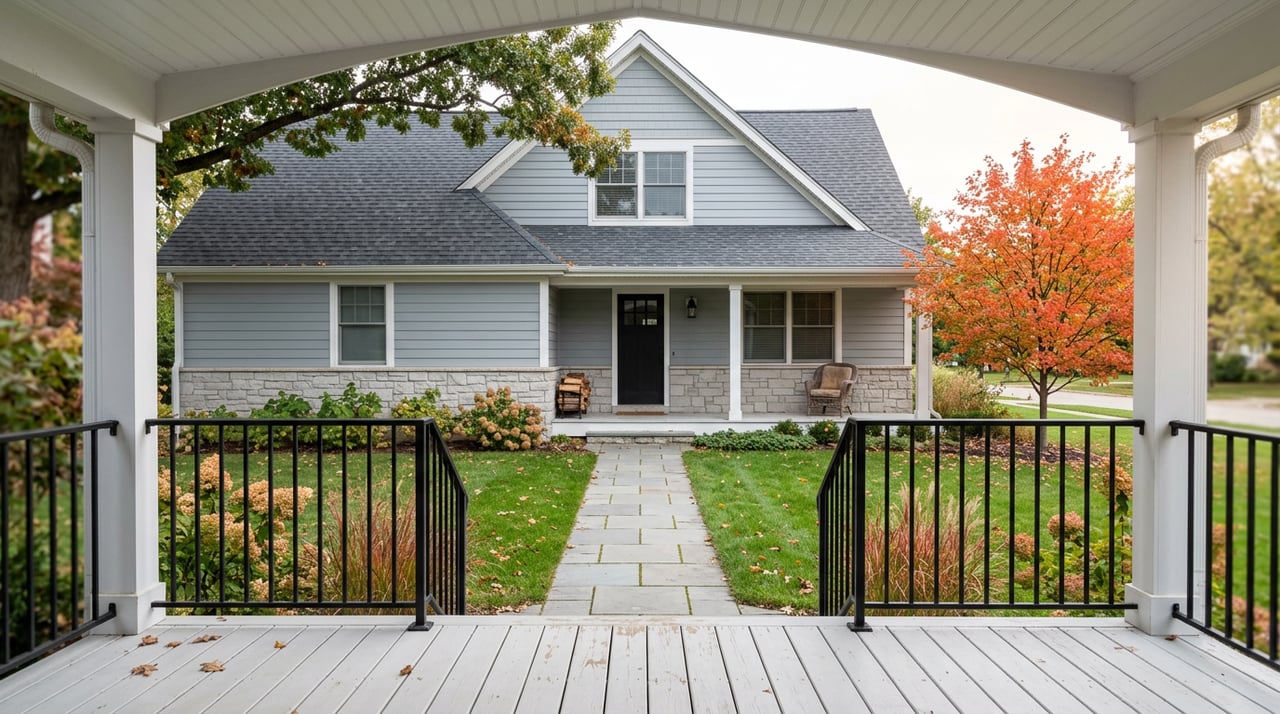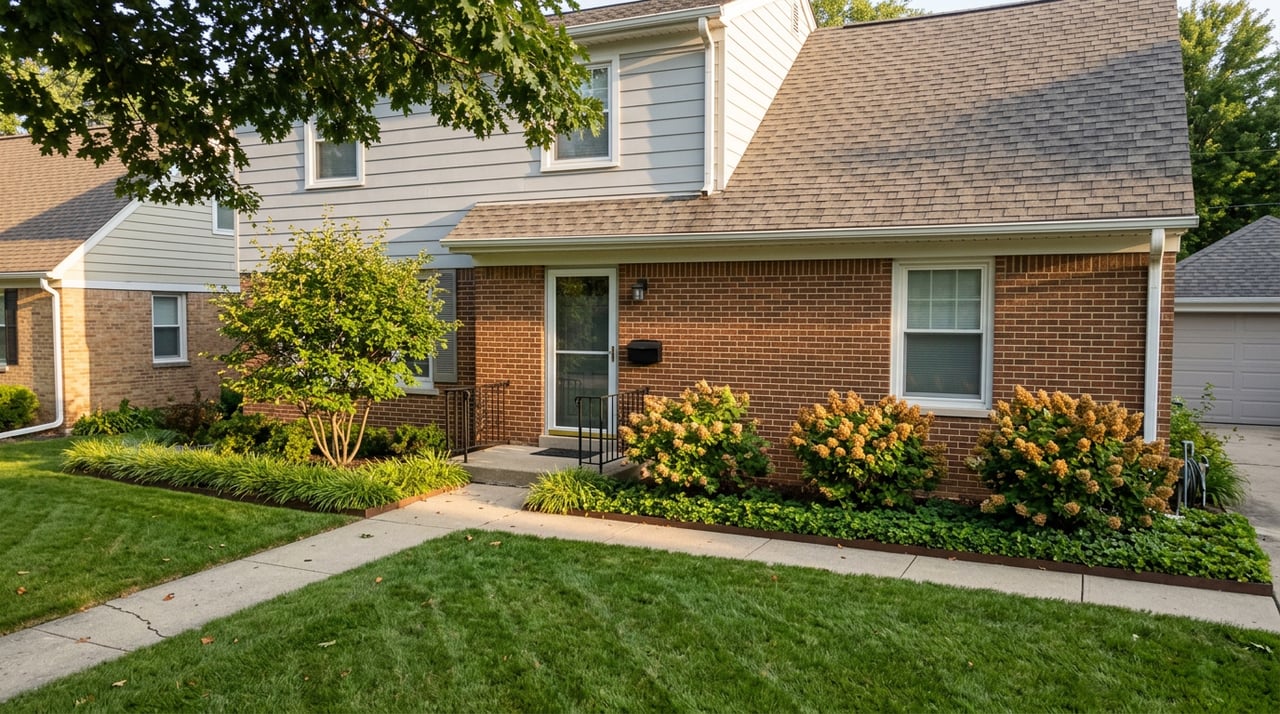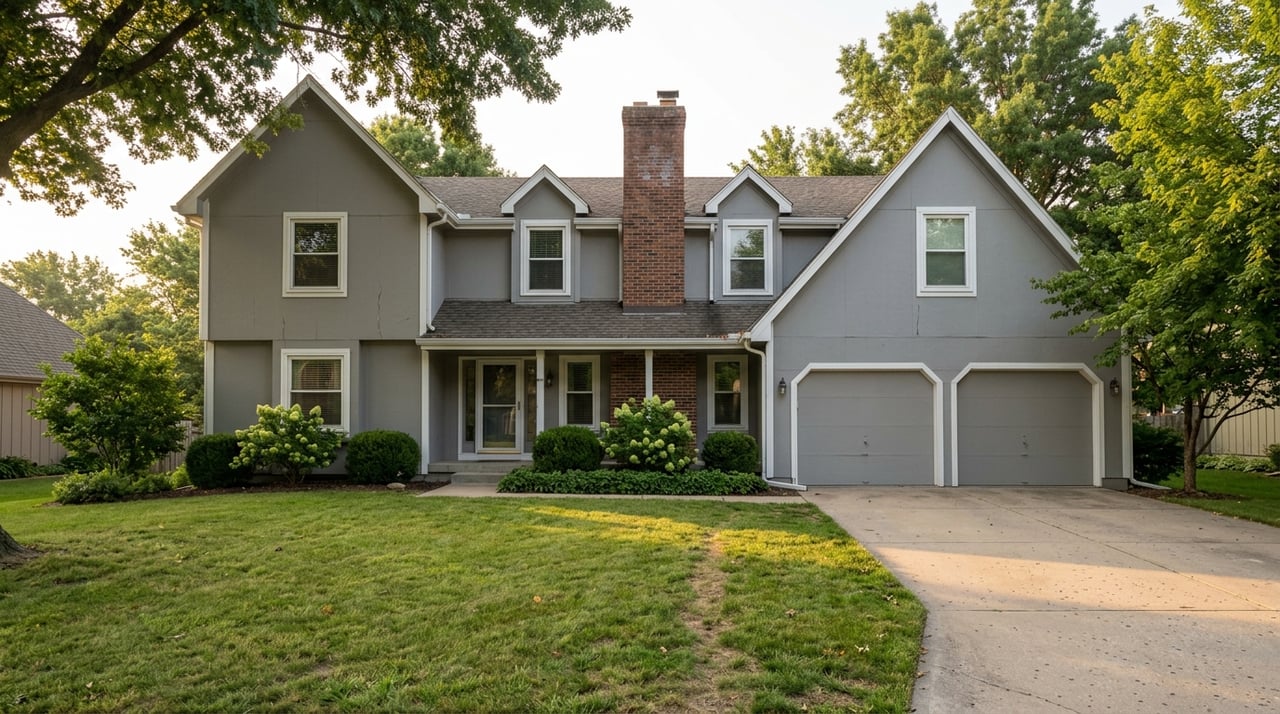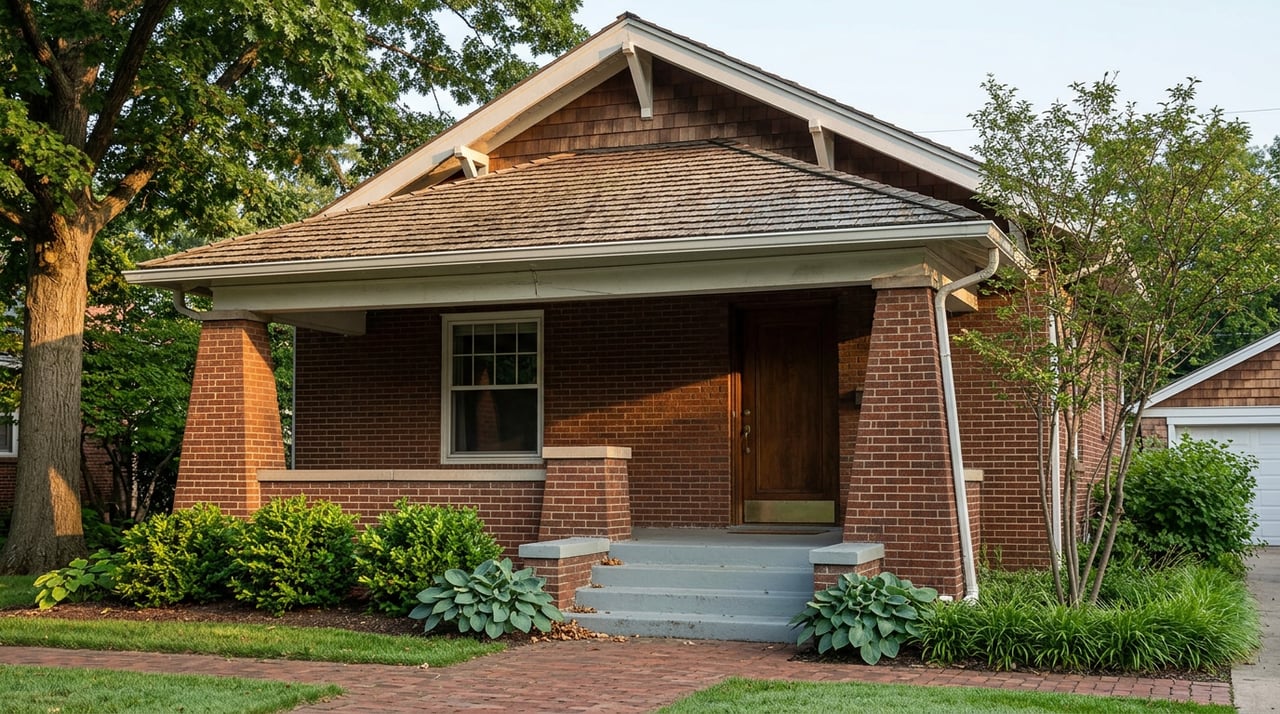
A bungalow in the Gunderson Historic District, on the south side of the Eisenhower Expressway, listed for $995,000 this summer. Buyers who assumed a historic district discount would need a strategy or a stiff drink, because the home closed on July 20, 2026 for $1.3 million. A few blocks over, 704 S. Elmwood listed for $720,000 in March and sold for $810,000 in May after multiple offers. Neither of these homes sat waiting for a commission to clear their paperwork. Neither sold for less because a buyer had to think about porch materials or window sightlines before pulling a permit.
That gap between what people expect from a historic district sale and what the transaction data actually shows is the story here. If you own, or are about to list, a home inside one of Oak Park's three historic districts, the review process you've heard about is real, but it is not the bottleneck sellers and their agents often assume it is.
Why the Village Actually Studied This
The question got asked out loud this spring, and not by a seller. Oak Park is in the middle of debating Shape Oak Park, a rezoning plan meant to open more of the village to duplexes, triplexes, and small apartment buildings under the banner of "missing middle" housing. Trustee Brian Straw pointed out during a board discussion that historic districts cover roughly half of Oak Park's single-family homes, and that any zoning reform would run straight into that carve-out.
That raised an obvious follow-up: is the design review process inside those districts actually slowing things down, or is it just assumed to be slow because it sounds like it should be? Trustees Derek Eder and Cory Wesley sponsored a motion in April asking village staff to find out, comparing building permit outcomes inside the three historic districts against the rest of the village.
"That led to many more questions, so I'm coming at this from the perspective of wanting to learn more," Eder said. "I'm not against historic districts or historic preservation."
The study came back in May. The headline finding: no significant difference in permitting outcomes between the historic districts and everywhere else in Oak Park.
The Number That Should Change How Sellers Plan
Here is the specific figure that matters if you're the one holding a listing date. Of the projects that come through Oak Park's Historic Preservation Commission process, 95 percent are approved by village staff directly, without ever reaching the full 11-member commission for a hearing.
That is not a rubber stamp for everything. It means the process most homeowners actually experience, replacing a roof with matching material, restoring a porch, tearing down a garage that's past saving, gets resolved at the staff level on a schedule measured in days, not months. The code backs this up directly. Once an application for a Certificate of Appropriateness reaches the Development Customer Services Department, it has to be forwarded to the commission within three working days. For the categories of minor work the commission has pre-approved staff to handle on its behalf, a liaison has five working days to review, approve, and issue the certificate, or send it up the chain.
The certificate itself, once issued, stays valid for a year. That detail matters more for sellers than it sounds. If you're planning exterior work before listing and you get your Certificate of Appropriateness in the fall, you have a full year to actually pull the building permit and start the job. It is not something you need to time to the week.
What Actually Triggers Review, and What Doesn't
The confusion sellers run into usually comes from not knowing which projects need a certificate in the first place. Based on the village's own guidance, the answer comes down to whether the work is visible from the street and whether it touches the historic fabric of the property.
Work that typically needs a Certificate of Appropriateness:
- Any exterior alteration, addition, or new construction on a landmark or a building inside a historic district
- Demolition or removal of a structure inside a historic district, including detached garages
- Relocation of a landmark building
Work that generally does not:
- Interior renovations that don't touch load-bearing historic fabric
- Routine maintenance and like-for-like repairs
- Anything on a property that isn't a landmark and isn't inside one of the three districts
A batch of cases from a January 2026 commission agenda gives a sense of what actually shows up on this list in a typical month: a demolition request for a fire-damaged home on South Taylor Avenue, a rooftop replacement using matching material on Euclid Avenue, a rear addition and front porch restoration on North Marion Street, and three separate requests to demolish aging detached garages. None of these are exotic. They are the kind of pre-listing and post-purchase projects that happen in any older housing stock, they just happen to route through an extra step here.
Where the Real Friction Actually Lives
The process does have teeth, and it's worth knowing where. If the commission finds that proposed work would damage a landmark's historic character, it can decline to act on the application and refer it toward a public hearing instead, with notice mailed to every property owner within 250 feet and published in a local paper 15 to 30 days ahead of the hearing.
That mechanism is built for disputes at a different scale than a garage teardown. The clearest recent example: the Oak Park Board of Trustees rejected a proposal earlier this year to demolish two residential buildings in the Ridgeland-Oak Park Historic District to make way for an eight-unit condo building. That is the kind of project that pulls in neighbors, public comment, and a board vote. It is also nothing like the process a homeowner goes through to restore a porch or swap a garage roof before putting a house on the market.
Four Districts, Different Markets
Oak Park's historic protection covers three officially designated districts: the Frank Lloyd Wright-Prairie School of Architecture Historic District, the Ridgeland-Oak Park Historic District, and the Gunderson district, which splits into two geographic sections north and south of the Eisenhower Expressway. The same village study that measured permitting outcomes also characterized these areas in market terms. Staff described Ridgeland as the village's most affordable and most diverse historic district, while the core of the Frank Lloyd Wright district has remained Oak Park's wealthiest area since it was founded.
That split shows up in the sales themselves. The bungalow that closed at $1.3 million and the Elmwood sale that closed at $810,000 both sit south of the expressway, in a district built by S.T. Gunderson and Sons, a firm founded by Norwegian immigrant Severt Gunderson that developed subdivisions along Chicago's streetcar lines between 1889 and 1925. Farther north, in the higher end of the Frank Lloyd Wright district, the market moves at a different scale entirely. In 2025, 61 Oak Park homes sold between $1 million and $1,999,999, with an average of just 23 days on market, and one home sold for more than $2 million in under nine days.
None of this reads like a market pricing in bureaucratic drag. It reads like buyers who want a specific kind of house and are willing to move fast for it.
What This Means If You're Listing This Fall
If you own a home inside one of these districts and you're weighing pre-listing improvements, the process is not the obstacle it's often made out to be for routine, exterior, street-visible work. Know which category your project falls into before you plan a timeline around it. A garage demolition or a porch restoration is likely to clear at the staff level within days. A demolition tied to new multi-unit construction is a different conversation entirely, and one that belongs with your agent and the village well before you list.
Does buying a home in a historic district mean slower renovations forever? Not based on what the village's own permitting data shows. Most projects clear at the staff level without a hearing. The process is more visible than it is slow.
Do I need to disclose my home's historic district status when I sell? The district status itself is public record, tied to the property and visible through the village's own landmark and district maps, so buyers and their agents typically confirm it as part of due diligence rather than relying solely on seller disclosure.
If you're planning to list a home inside Oak Park's historic districts, or you're weighing whether a district designation changes your renovation timeline, Ed Bellock can walk through what your specific property is likely to need before it hits the market. Get your instant home valuation to see where your home stands today.