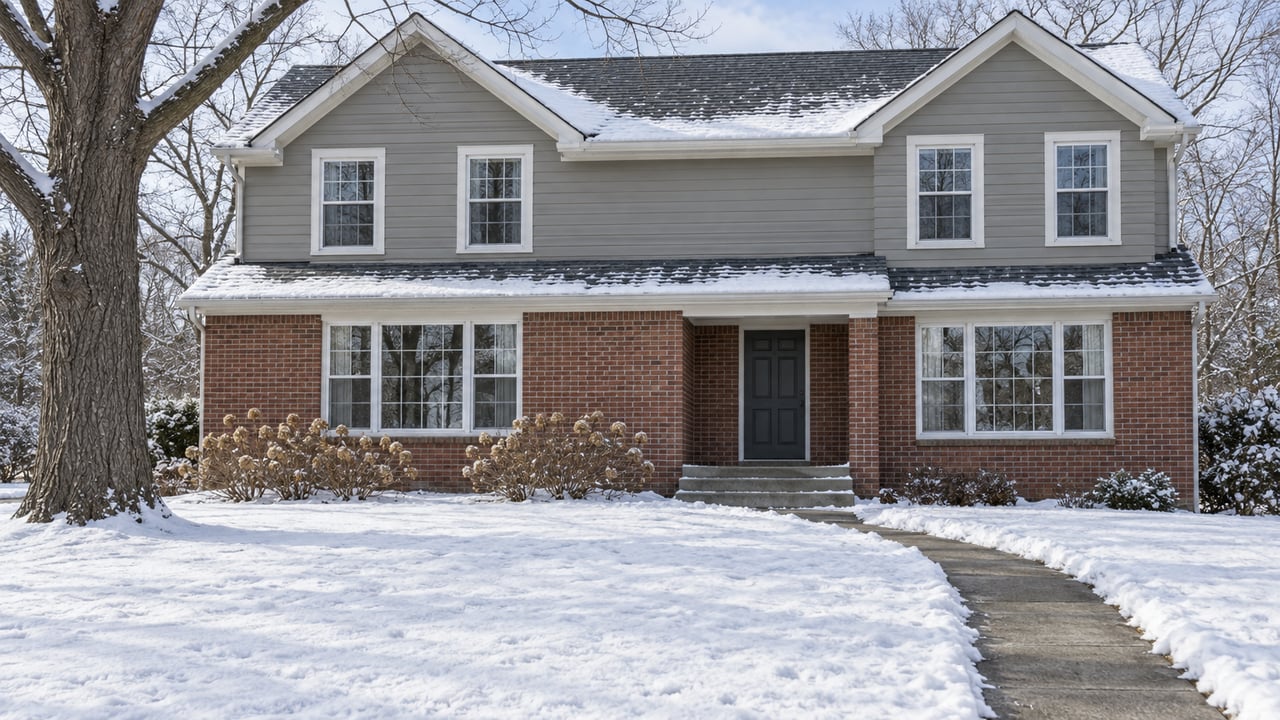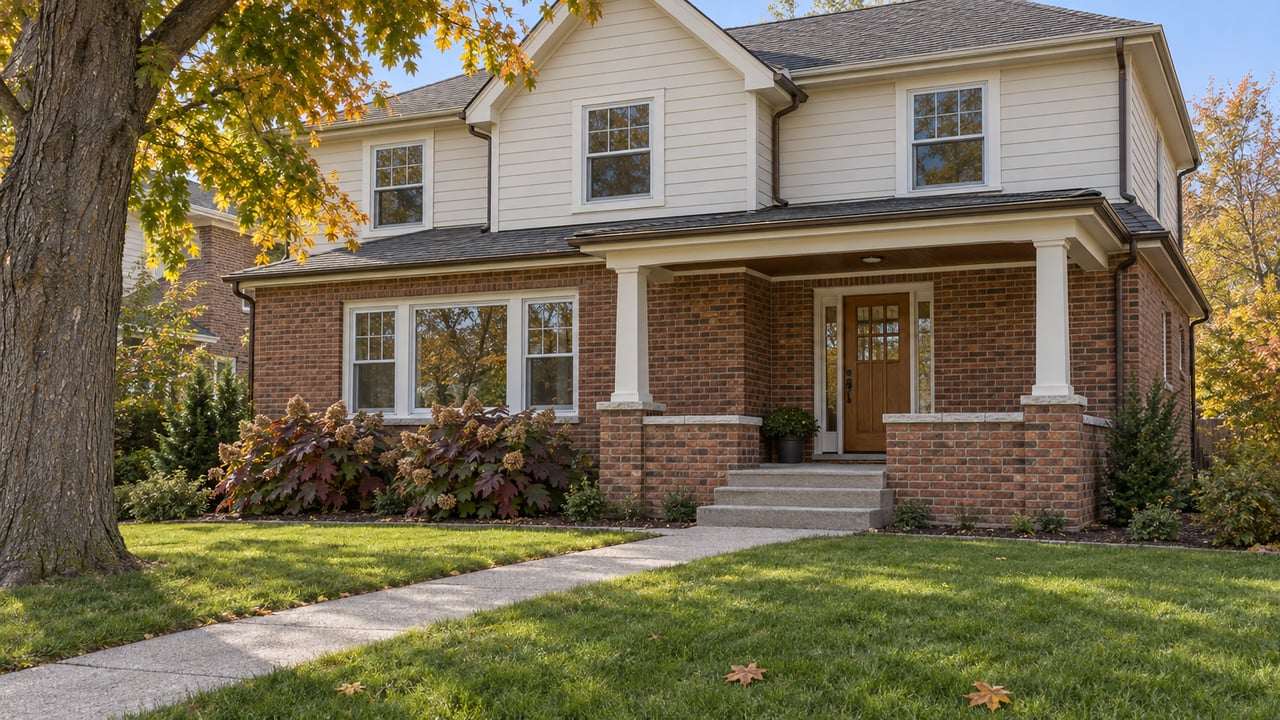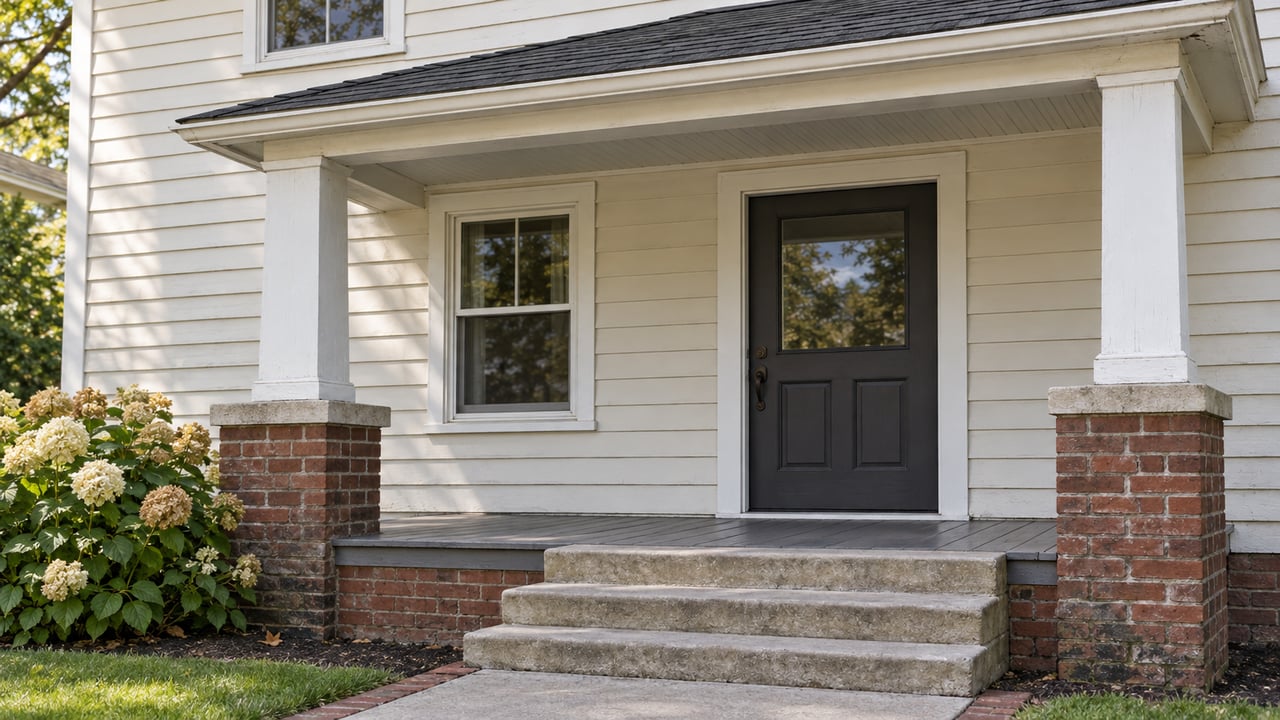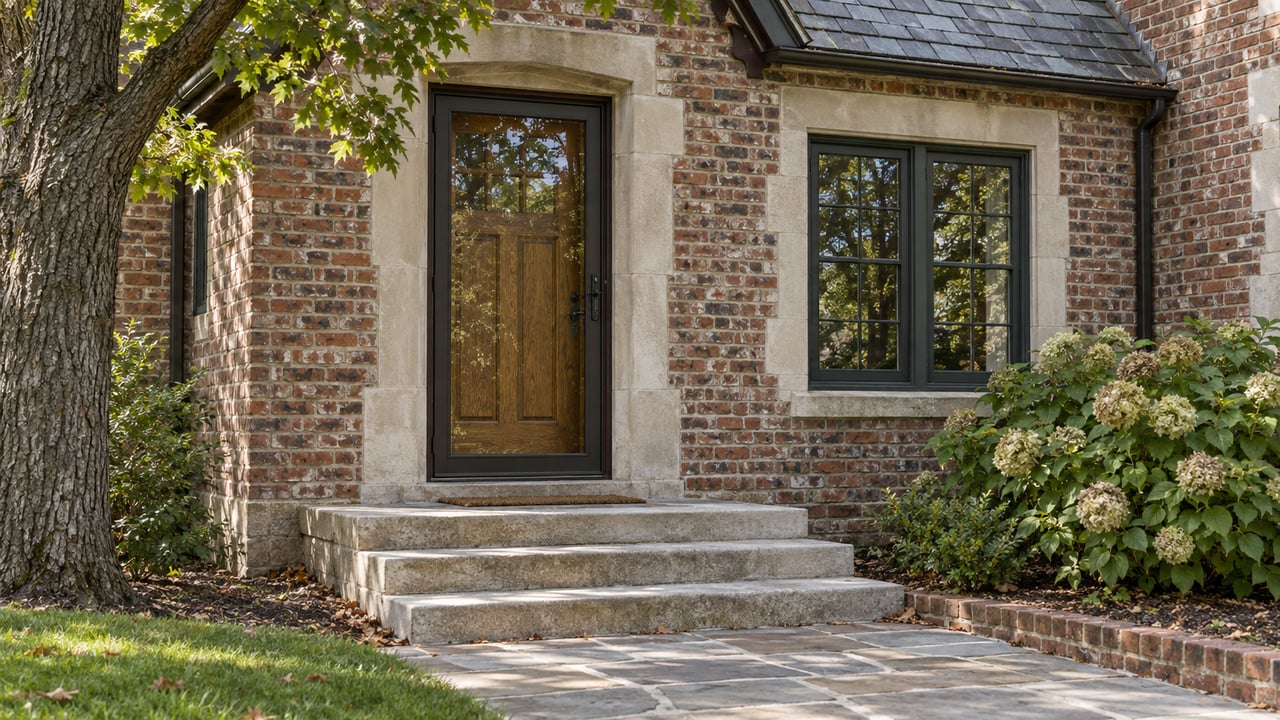
If you are drawn to homes with real architectural character, Forest Park should be on your radar. This small Cook County village has a housing stock shaped by early and mid-20th-century building patterns, which means you are far more likely to find brick detail, older floor plans, and vintage curb appeal than rows of newer subdivision homes. In this guide, you’ll learn how to spot the most common home styles, what makes them appealing, and what to keep in mind as you shop. Let’s dive in.
Why Forest Park Has So Many Vintage Homes
Forest Park is a compact village of about 2.40 square miles with 14,339 residents and 7,085 households. It is also a mixed housing market, with a 52.8% owner-occupied housing rate, a median owner-occupied home value of $304,700, and a median gross rent of $1,367.
That mix matters when you start house hunting. Instead of one dominant housing type, you will see detached homes, two-unit buildings, smaller multi-unit properties, condos, and apartment buildings throughout the village.
A big reason is age. The median construction year in Forest Park is 1949, and 47.8% of homes were built in 1939 or earlier. That helps explain why bungalows, cottages, flats, and adapted older homes are such a visible part of the local housing landscape.
Brick Bungalows In Forest Park
What a bungalow looks like
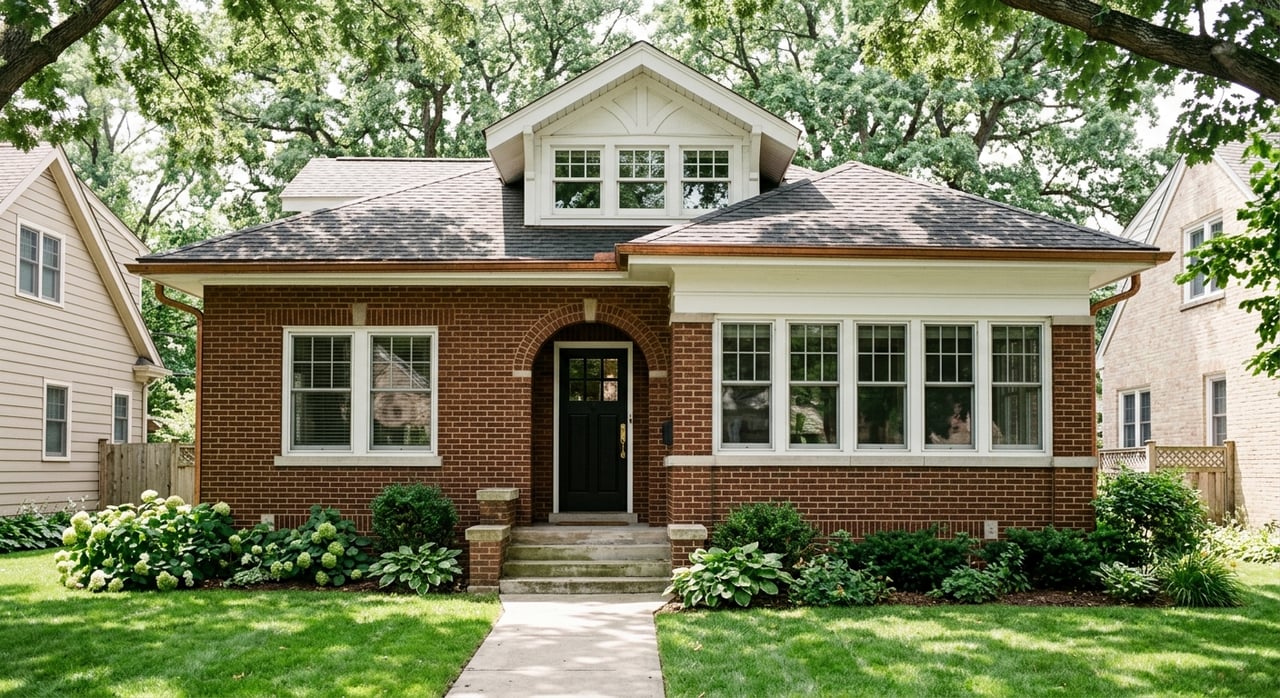
The Chicago bungalow is one of the easiest vintage styles to recognize once you know the basics. It is typically one-and-a-half stories above a basement, with a low-pitched hipped roof, wide roof overhangs, a brick exterior, and broad front windows.
You may also notice a front porch or stoop, along with details like leaded art glass in some homes. In Forest Park, these visual clues can help you quickly tell whether a listing has classic bungalow roots.
Why buyers like bungalows
Bungalows often feel larger than they look from the street. Their standard layout usually separates guest spaces from more private areas, and many include attics and basements that can offer additional usable space over time.
That balance is part of the appeal. You get vintage character on the outside, while the interior may offer flexibility for modern living if the home has been updated thoughtfully.
What to watch for in a bungalow
Older bungalow windows are often close to a century old, so window condition can be an important part of your review. If a home has a dormer, that may also signal added upstairs living space, which is a common way owners expand these homes.
When you tour bungalow listings, pay attention to:
- Roofline and dormers
- Brick condition and exterior detail
- Front windows and original trim
- Porch or stoop character
- Basement condition and signs of water management improvements
Two-Flats And Other Flats
How to identify a two-flat
A classic two-flat is usually a two-story building with one apartment on each floor. These buildings are often brick or stone and may feature bay windows, an entry porch on one side, and a projecting bay on the other.
In Forest Park, this housing type fits naturally into the village’s broader mix of single-family and multi-family properties. The local comprehensive plan notes that multi-family housing is distributed throughout the village, with larger mid-rise buildings more common north of Madison Street and smaller two- and three-story buildings farther south.
Why two-flats stand out
For some buyers, a two-flat offers a different kind of flexibility than a single-family home. Depending on the property and your goals, it may suit owner-occupancy, extended household use, or rental income potential.
That makes this style especially worth understanding in Forest Park. It is not just about architecture. It is also about how the property may fit your budget, space needs, and long-term plans.
Converted homes and smaller multi-unit properties
Not every vintage property will fit neatly into one category. Forest Park also includes older homes that have been adapted over time, along with smaller flats and coach-home style housing referenced in the village plan.
As you compare options, it helps to ask not only what the building originally was, but also how it functions today. A converted home may offer charm and flexibility, but it may also come with more layered maintenance or layout questions.
Older Cottages And Frame Homes
Bungalows and two-flats get a lot of attention, but they are not the whole story in Forest Park. You may also come across compact cottages, older frame houses, and narrow-lot homes that reflect earlier settlement patterns.
These homes can have a very different feel from brick bungalows. They may be smaller, more straightforward in form, or altered through decades of additions and remodeling. For buyers who value individuality, that variety can be part of the attraction.
Renovation Potential In Vintage Homes
Where extra space often comes from
One of the biggest advantages of older homes is that the street view does not always tell the full story. In bungalows and two-flats, unfinished attics, basements, and dormer expansions are common ways owners create more usable living space.
That does not mean every home can be expanded the same way. Feasibility depends on the structure and local code, but these are the areas where many vintage homes gain bedrooms, office space, or family-room use over time.
How to think about updates
The best updates usually respect the home’s original proportions and visible character. In practice, that may mean preserving brickwork, porch features, windows, or other architectural details while improving function inside.
This is one reason vintage homes can be so rewarding. When updates are done carefully, you do not have to choose between personality and practicality.
Practical Issues To Keep In Mind
Older homes can be wonderful, but they do come with practical considerations. In Forest Park, recurring themes include aging windows, plumbing concerns, basement water issues, and lead service line replacement.
The village also references flood-proofing measures such as overhead sewers, backflow prevention valves, and lift stations for owner-occupied single-family and two-flat residences. If you are considering a vintage home with a basement, these topics deserve close attention during your evaluation.
A smart approach is to look at character and condition together. A beautiful facade matters, but so do the less visible systems that shape daily comfort and long-term maintenance.
Forest Park Home Prices By Property Type
Forest Park prices can look wide-ranging at first glance, but the variation makes sense once you understand the housing mix. Different datasets place the market in the high-$200,000s to low-$300,000s overall, with Census reporting a median owner-occupied value of $304,700, Zillow showing an average home value of $277,526, Realtor.com showing a median listing price of $299,000, and Redfin reporting a recent median sale price of $313,000.
Those figures use different methods and timeframes, so they are best read as a general market snapshot rather than exact comparisons. The larger takeaway is that Forest Park offers a broad spread of vintage and non-vintage options within a relatively small village.
Current listing examples show that range clearly. Recent listings have included a 1910 bungalow-style home at $249,900, a three-bedroom house at $230,000, a five-bedroom home at $525,000, and a 1921 brick two-flat bungalow at $499,900. Multi-family listings have also reached higher price points, while some condos have appeared around $220,000.
How To Shop Forest Park Vintage Homes
If you are searching in Forest Park, it helps to narrow your priorities early. Start with the question of lifestyle fit: do you want a classic single-family bungalow, a cottage with character, or a two-flat with added flexibility?
Then focus on the features that affect value most for you, such as original detail, layout, expansion potential, and condition. In a village with older housing stock, those factors often matter more than square footage alone.
A practical home search checklist includes:
- Identify whether the home is a bungalow, cottage, two-flat, or converted property
- Review attic, basement, and dormer space for future usability
- Check window condition and signs of preservation or replacement
- Ask about water-management updates and basement history
- Compare the asking price against the property type and current condition
Forest Park rewards buyers who know what they are seeing. Once you understand the local housing patterns, it becomes much easier to spot the difference between a home with lasting value and one that may need more work than expected.
If you want help sorting through Forest Park bungalows, vintage homes, or multi-family opportunities, Ed Bellock offers practical guidance rooted in local market knowledge and a high-touch approach to buying and selling.
FAQs
What defines a bungalow in Forest Park?
- A bungalow is usually one-and-a-half stories over a basement with a low-pitched roof, brick exterior, wide front windows, and often a porch or stoop.
How can you tell a Forest Park bungalow from a two-flat?
- A bungalow is typically a single home with one main living layout, while a two-flat is usually a two-story building with one apartment on each floor.
Are Forest Park vintage homes usually very old?
- Many are. The median construction year is 1949, and 47.8% of homes in Forest Park were built in 1939 or earlier.
Can Forest Park vintage homes be expanded?
- Often yes. Attics, dormers, and basements are common areas where owners add usable space, though the exact options depend on the structure and local code.
What issues should buyers review in older Forest Park homes?
- Common concerns include aging windows, basement water management, plumbing-related updates, and lead service line replacement.
Why do Forest Park home prices vary so much?
- Forest Park has a mixed housing stock that includes detached homes, two-units, smaller multi-family buildings, condos, and larger apartment properties, so pricing can vary widely by type and condition.